Your Window Well Might Be One Storm Away From a Real Problem
Most homeowners don't think about their window wells until water shows up in the basement. By then, a simple maintenance fix has turned into a much bigger headache. That's exactly the kind of thing we want to help you avoid - especially heading into fall when Colorado moisture and freeze-thaw cycles start doing their damage.
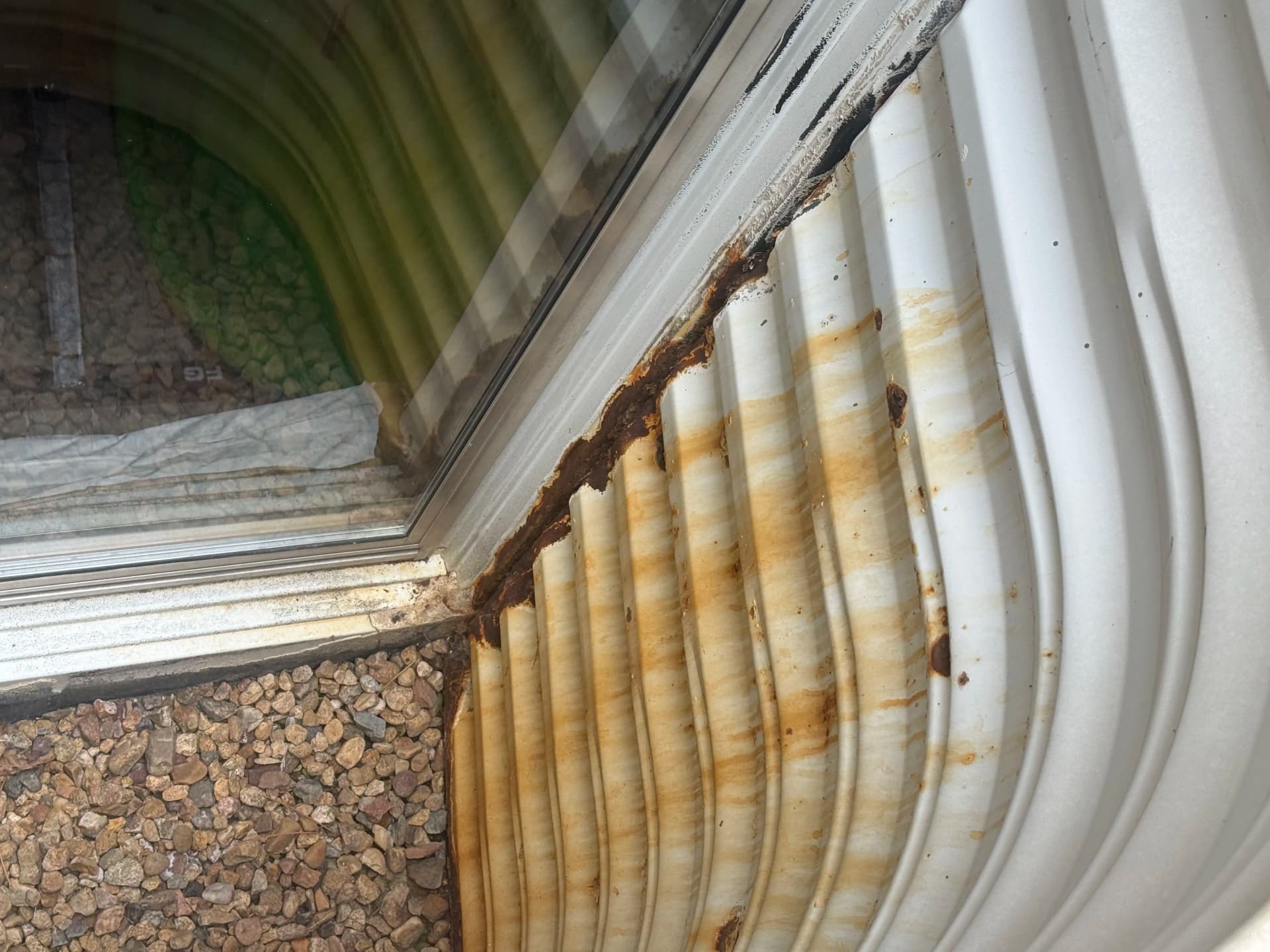
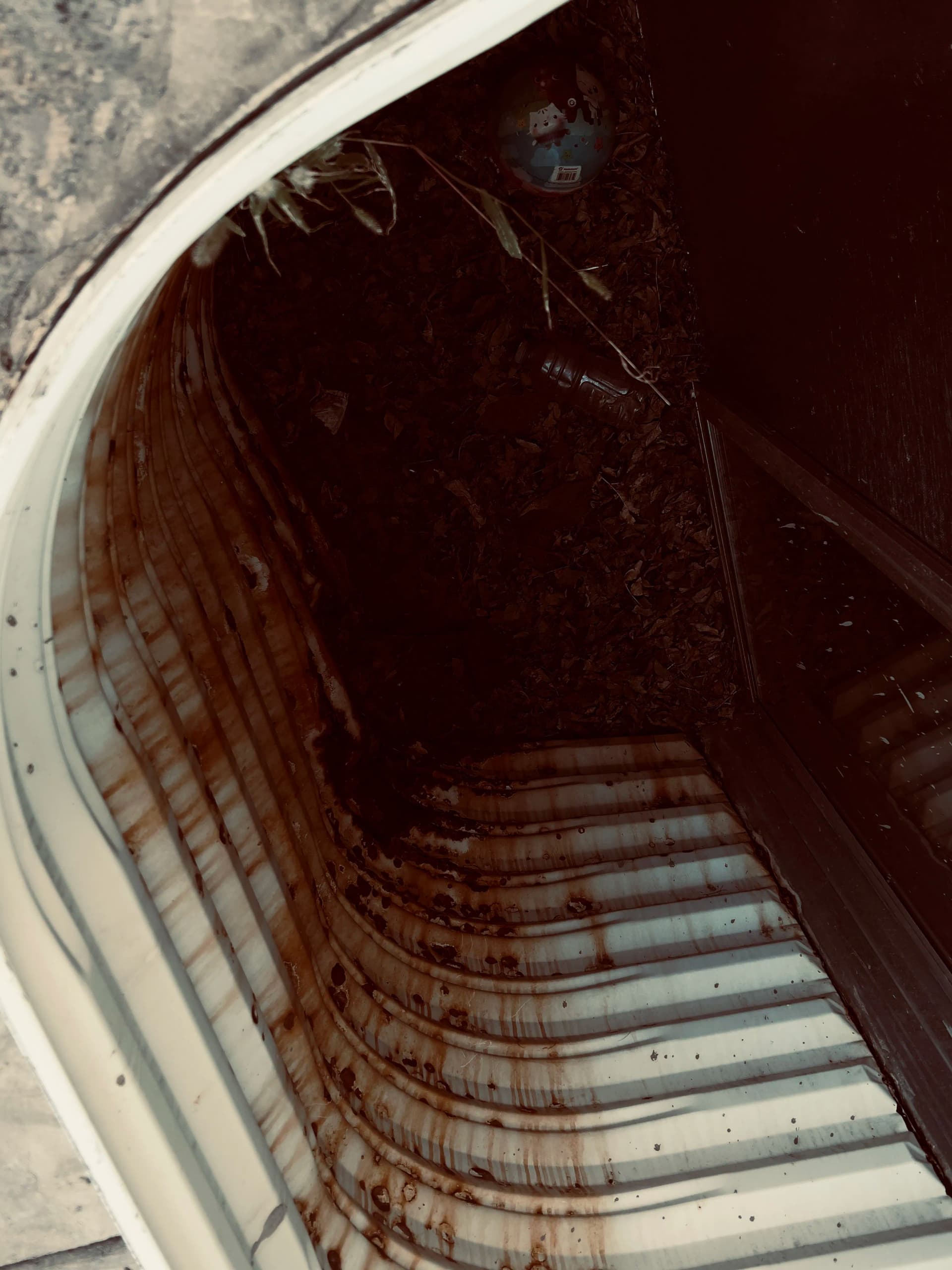
Here's what a neglected window well actually looks like. Heavy rust streaking down the corrugated metal. Debris and decomposing leaves packed into the bottom, holding moisture right against the foundation wall. A well that's pulling away from the window frame, leaving gaps where water can funnel directly toward the glass seal. We see this constantly. And nine times out of ten, the homeowner had no idea it had gotten that bad.
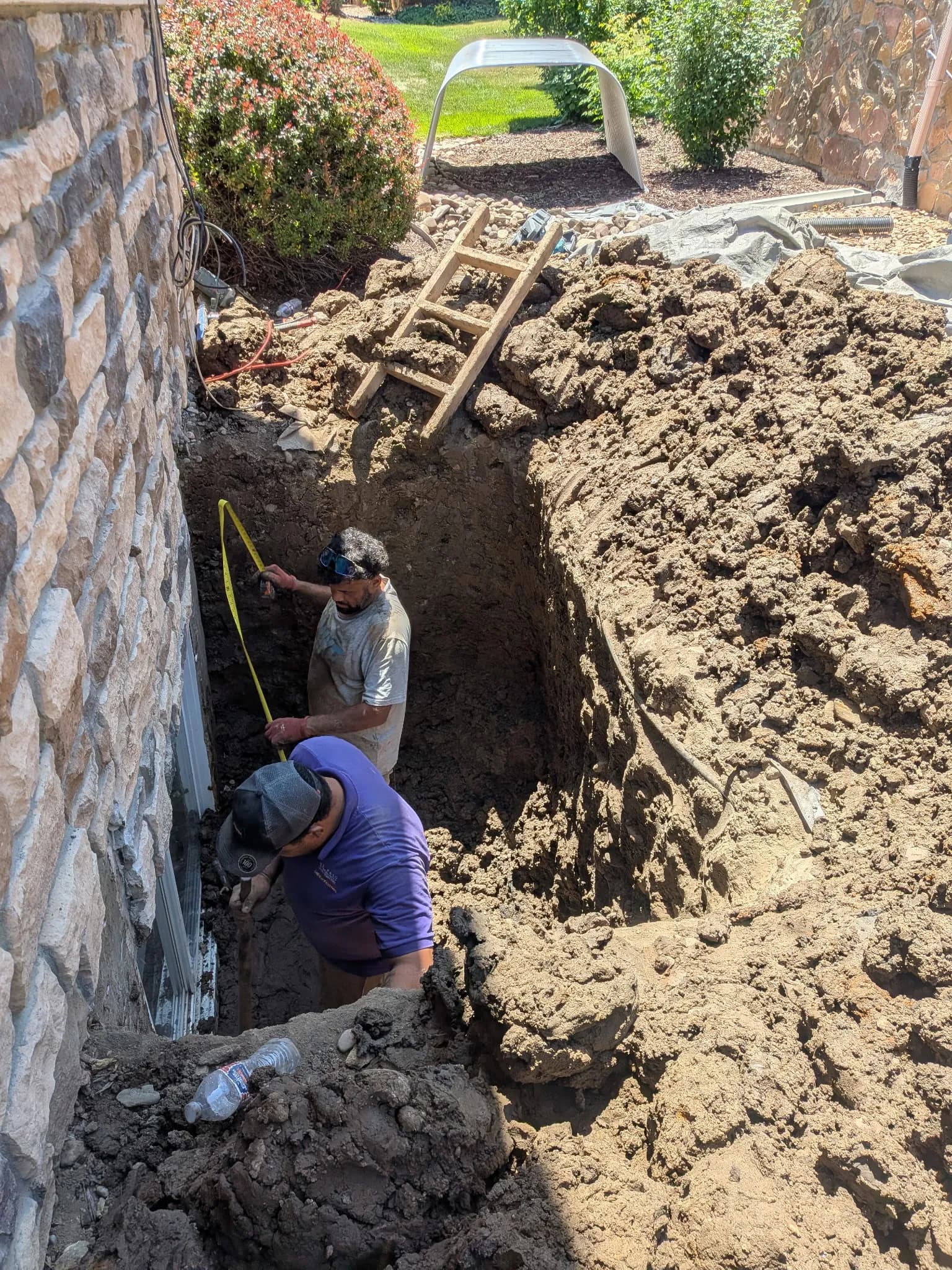
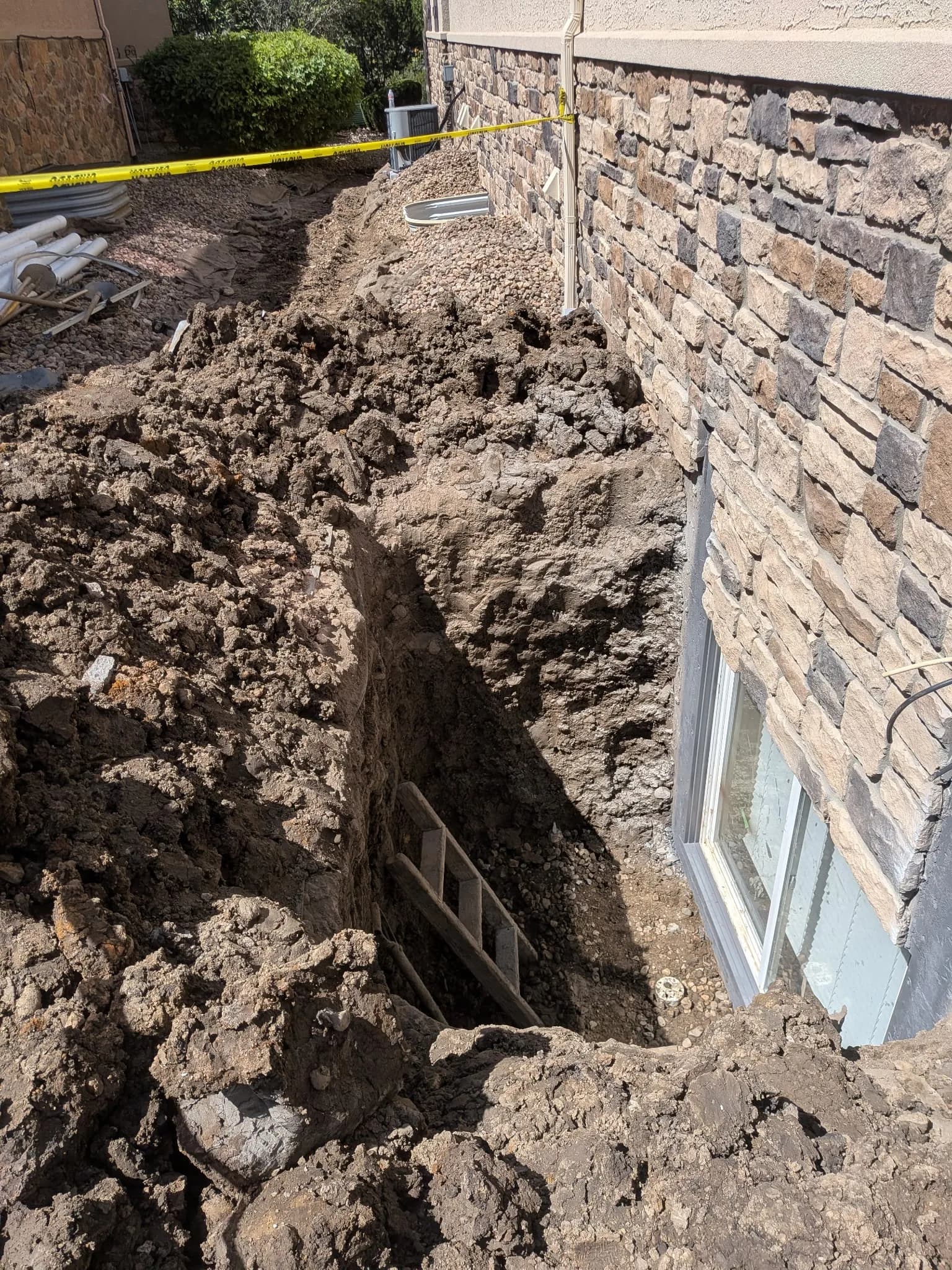
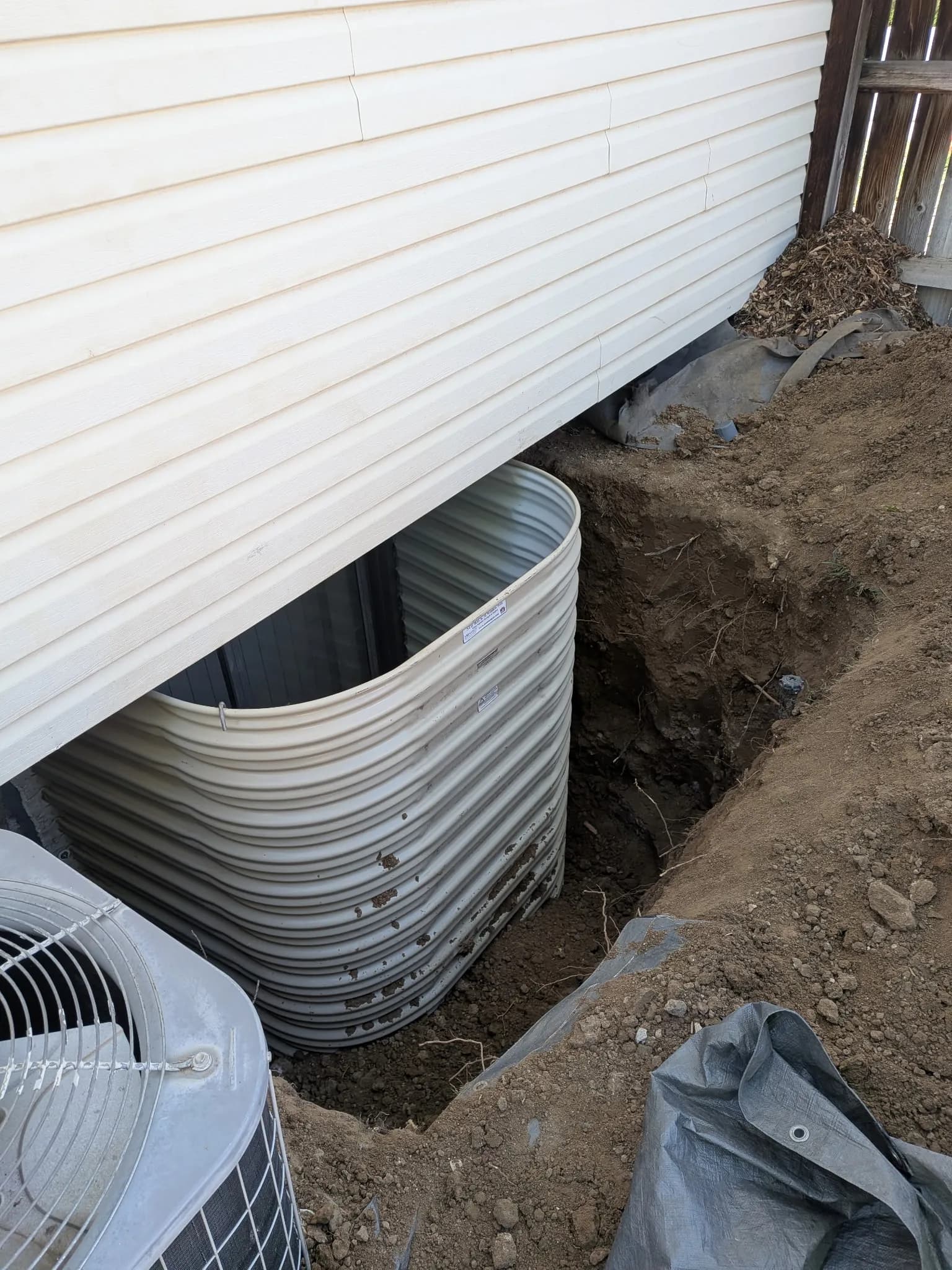
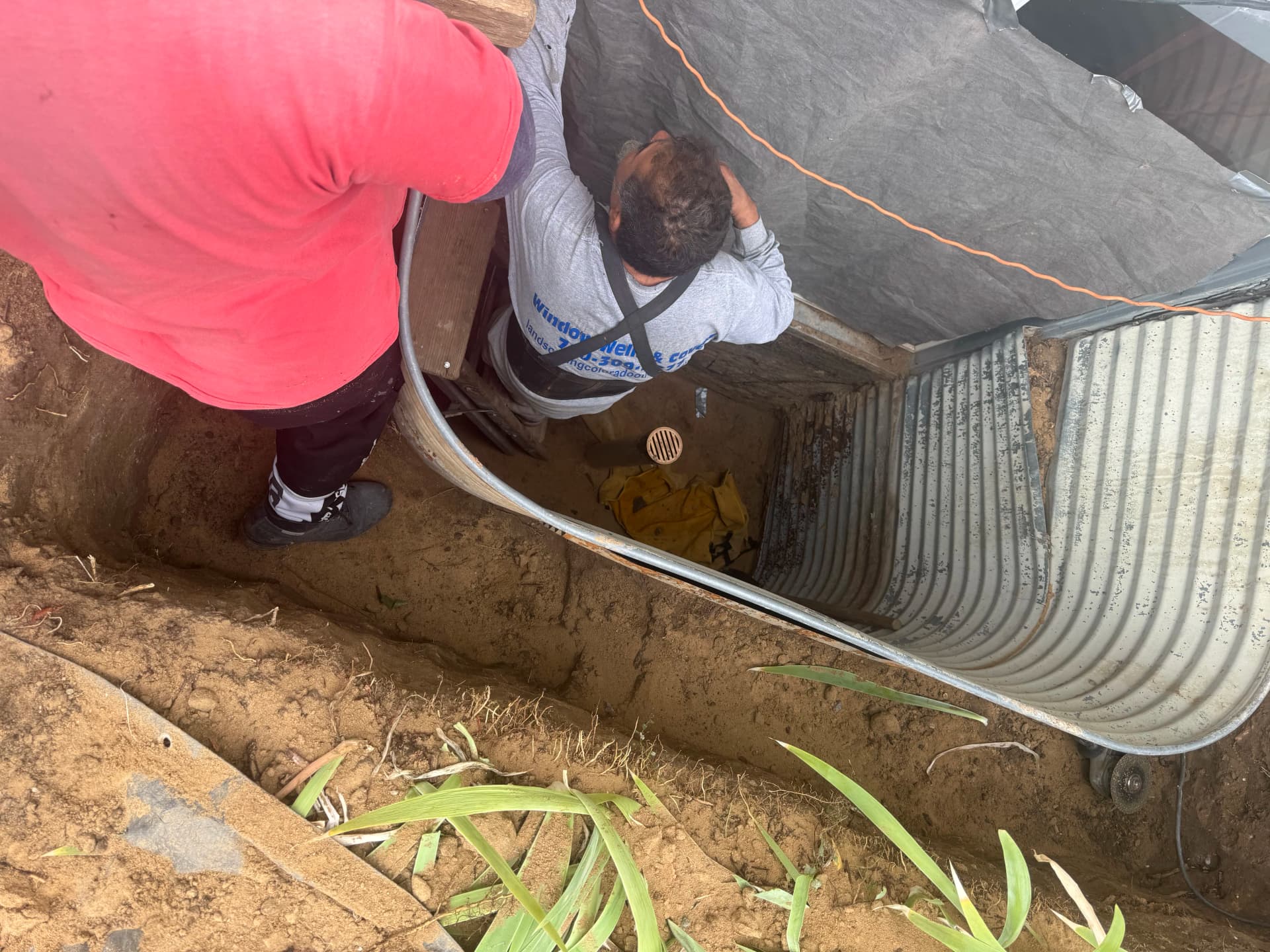
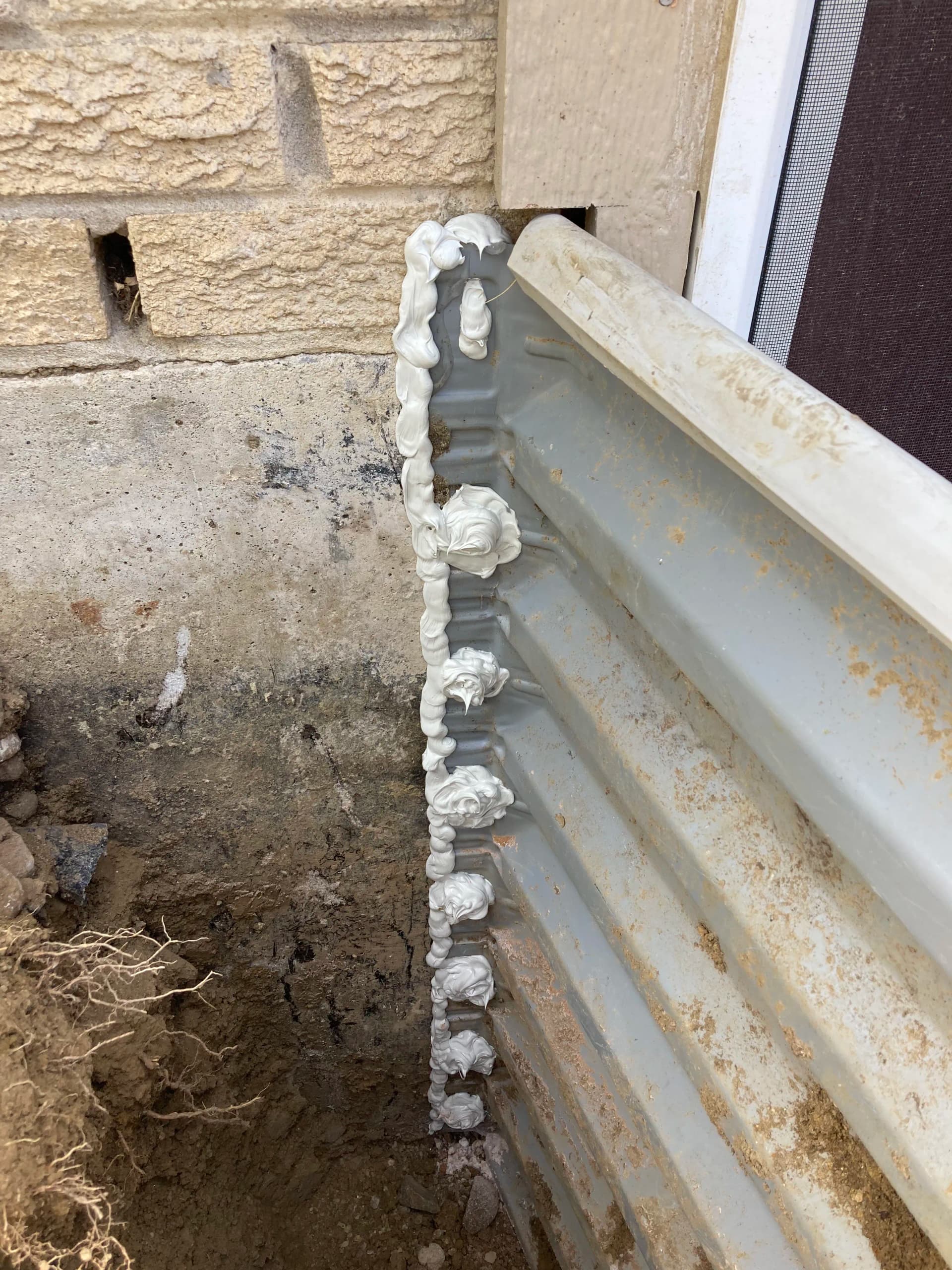
We handle everything from full egress window well installations - where the crew is down in a deep excavation fitting and sealing the well tight to the foundation - to straightforward replacements on standard basement windows. The sealing detail matters a lot. A continuous bead of foam sealant run down the flange where the well meets the foundation wall is one of those small things that makes a big difference over time. It keeps moisture from wicking behind the steel and sitting against the concrete.
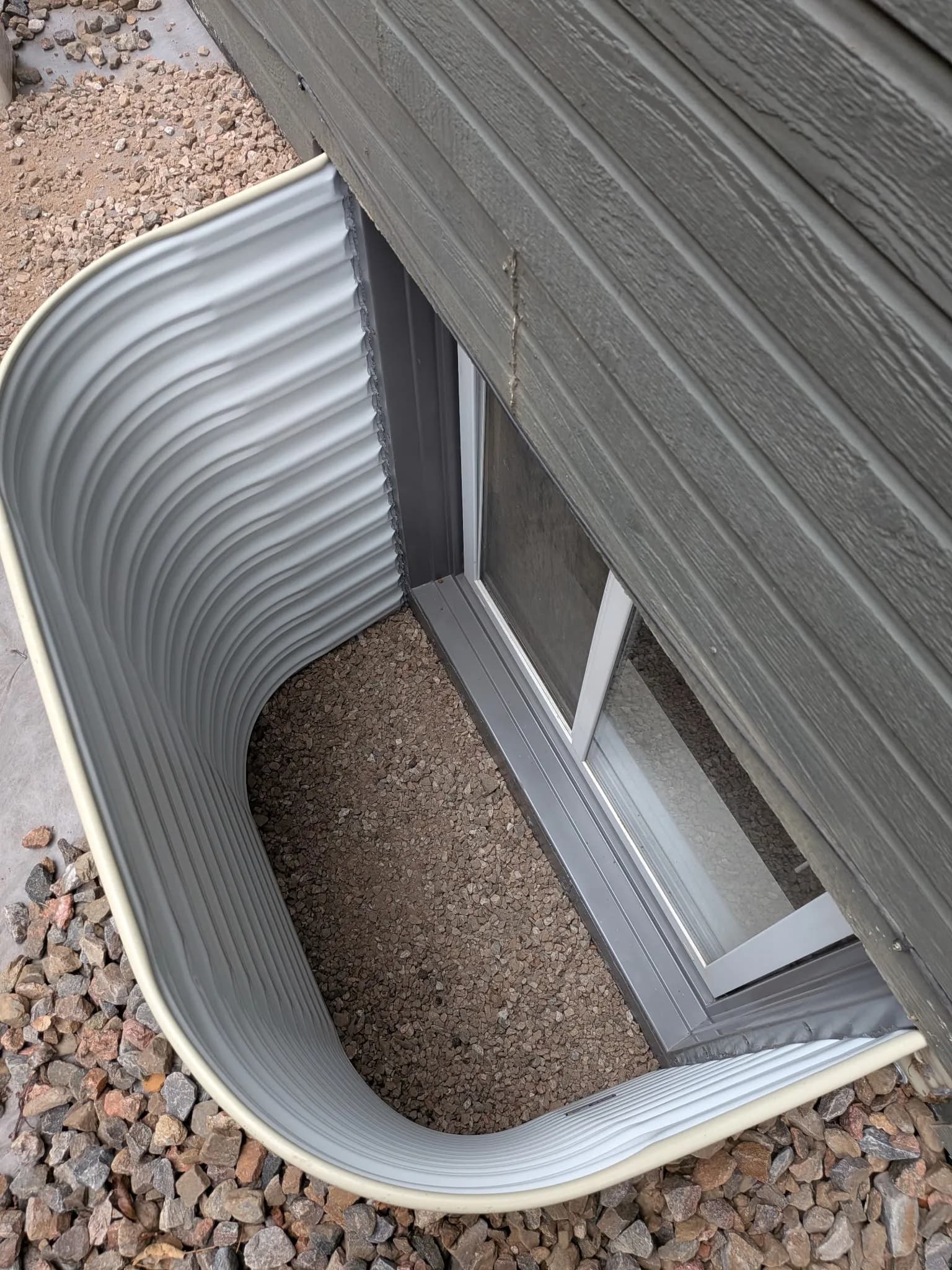
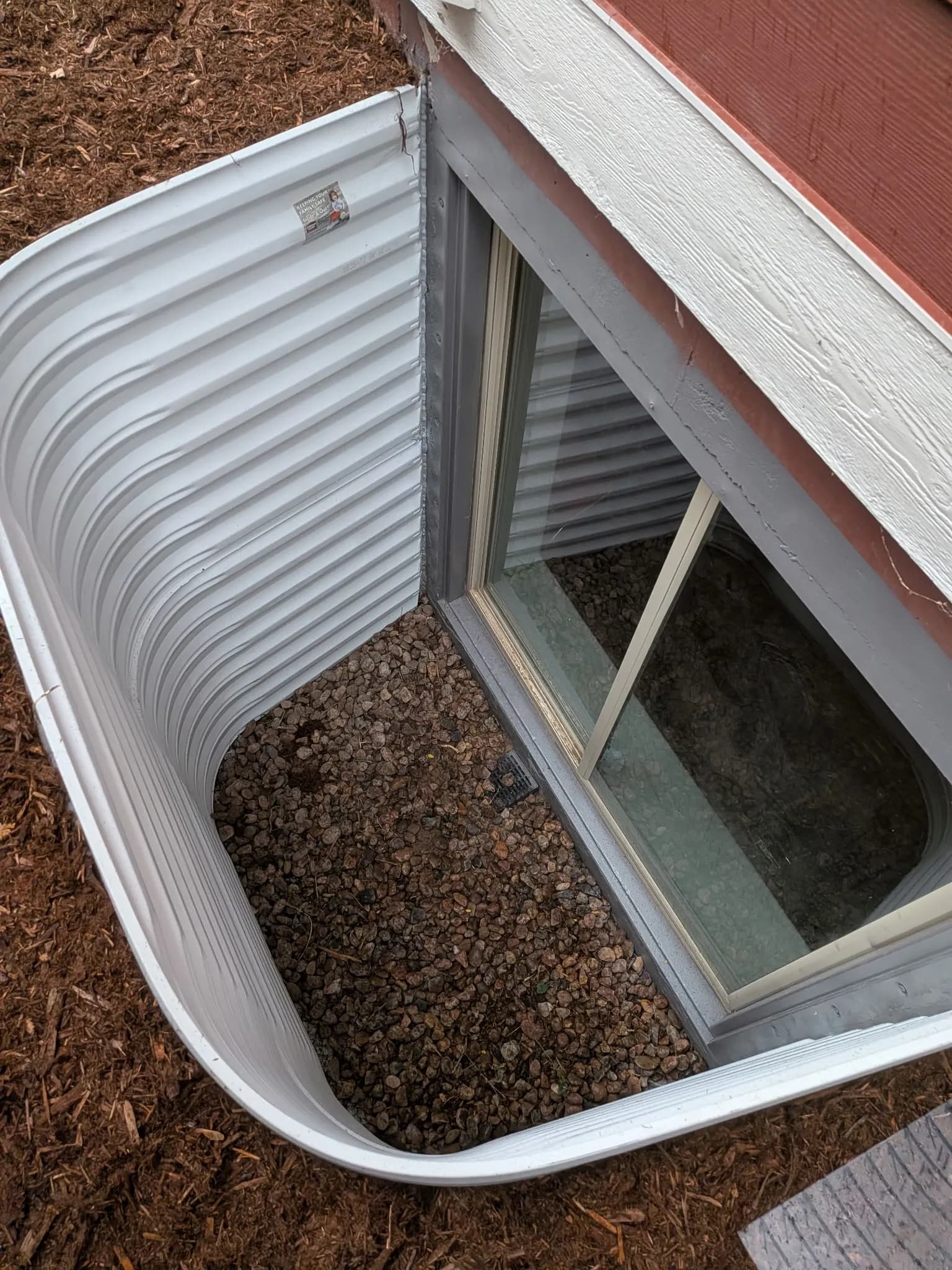
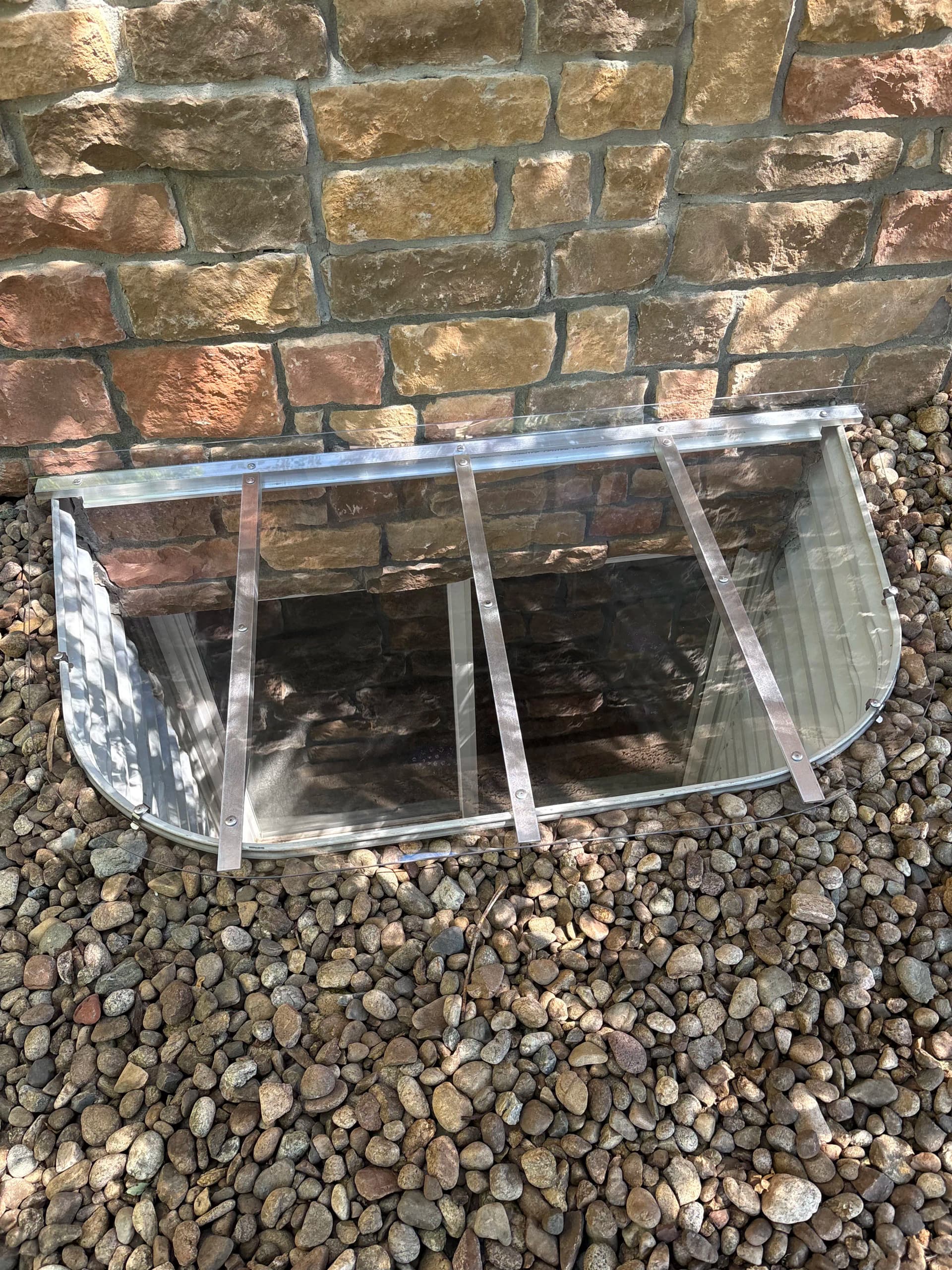
Fresh gravel in the basin, a properly fitted cover to keep debris out, and a well that's seated flush and sealed correctly - that's what a window well should look like when the job is done right. Whether you've got a single well that's starting to rust or several that haven't been touched in years, a free inspection will tell you exactly where things stand. No pressure, just honest information so you can make a smart call before the weather changes.
Fall is genuinely the right time to deal with this. Monsoon season pushes a lot of moisture into the soil, and once temps drop, that moisture expands and puts real stress on aging wells and seals. Getting ahead of it now is almost always cheaper and easier than dealing with water intrusion mid-winter.