Window Well Replacements Done Right - Fresh Installs and Covers
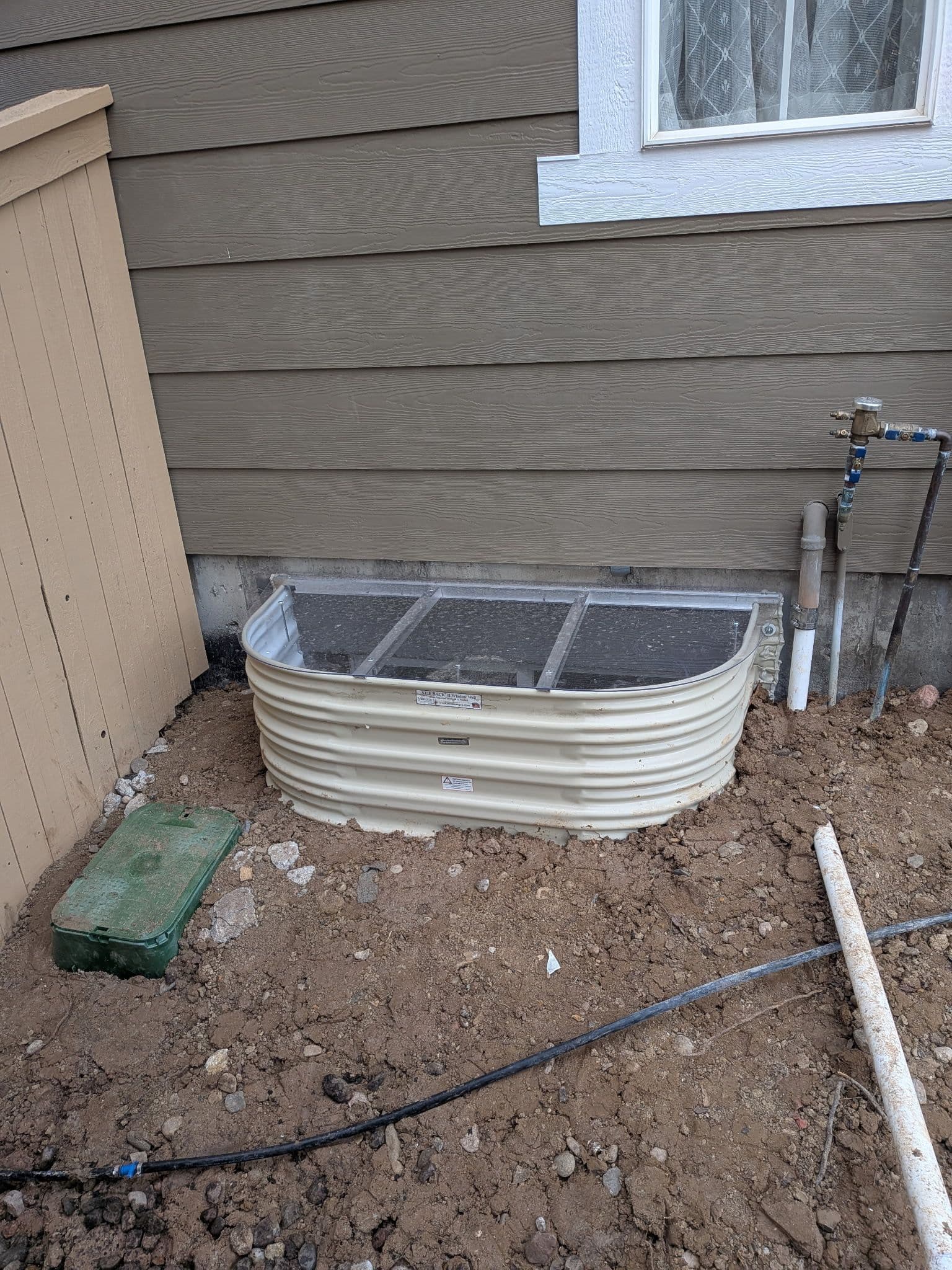
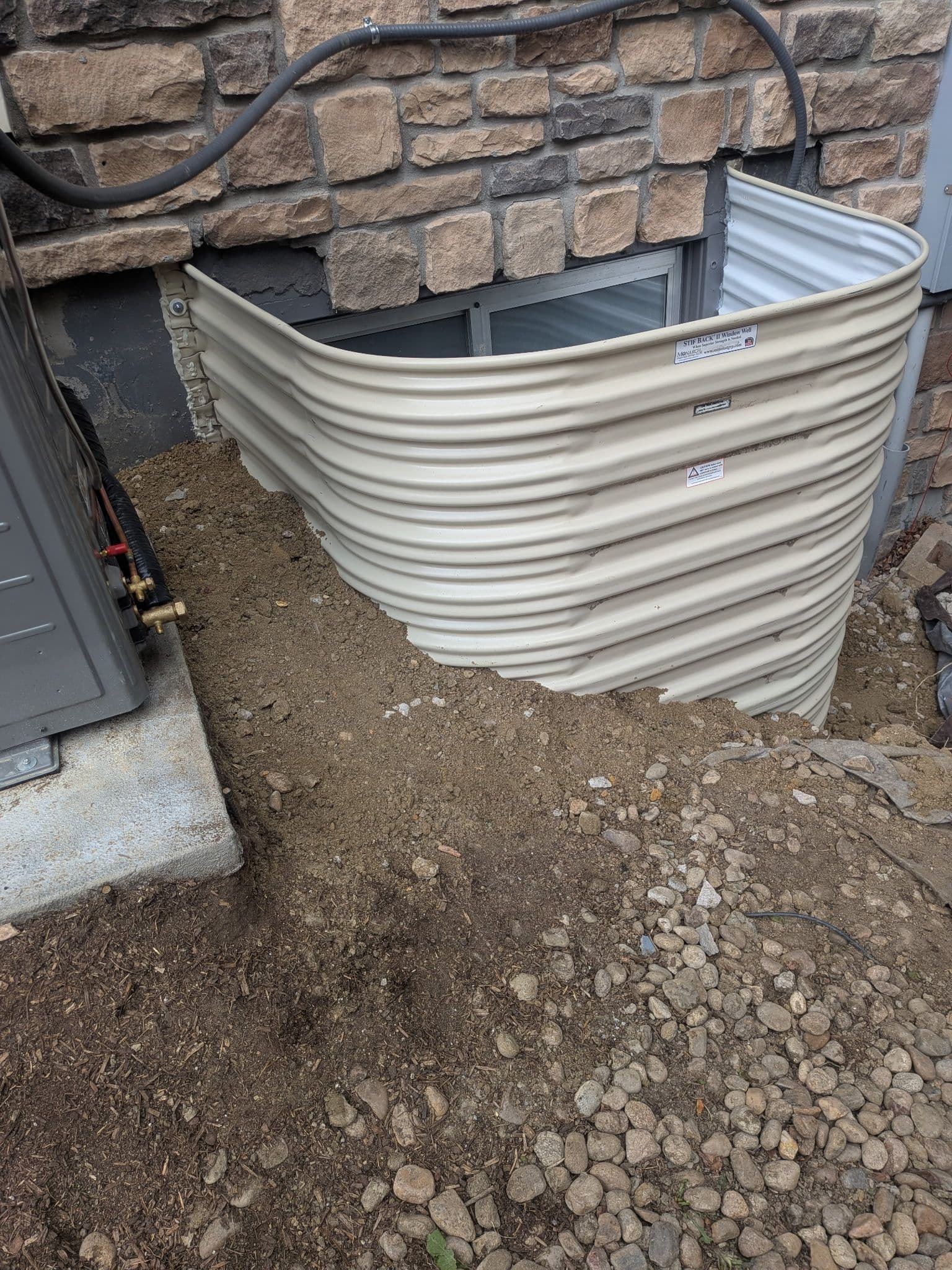
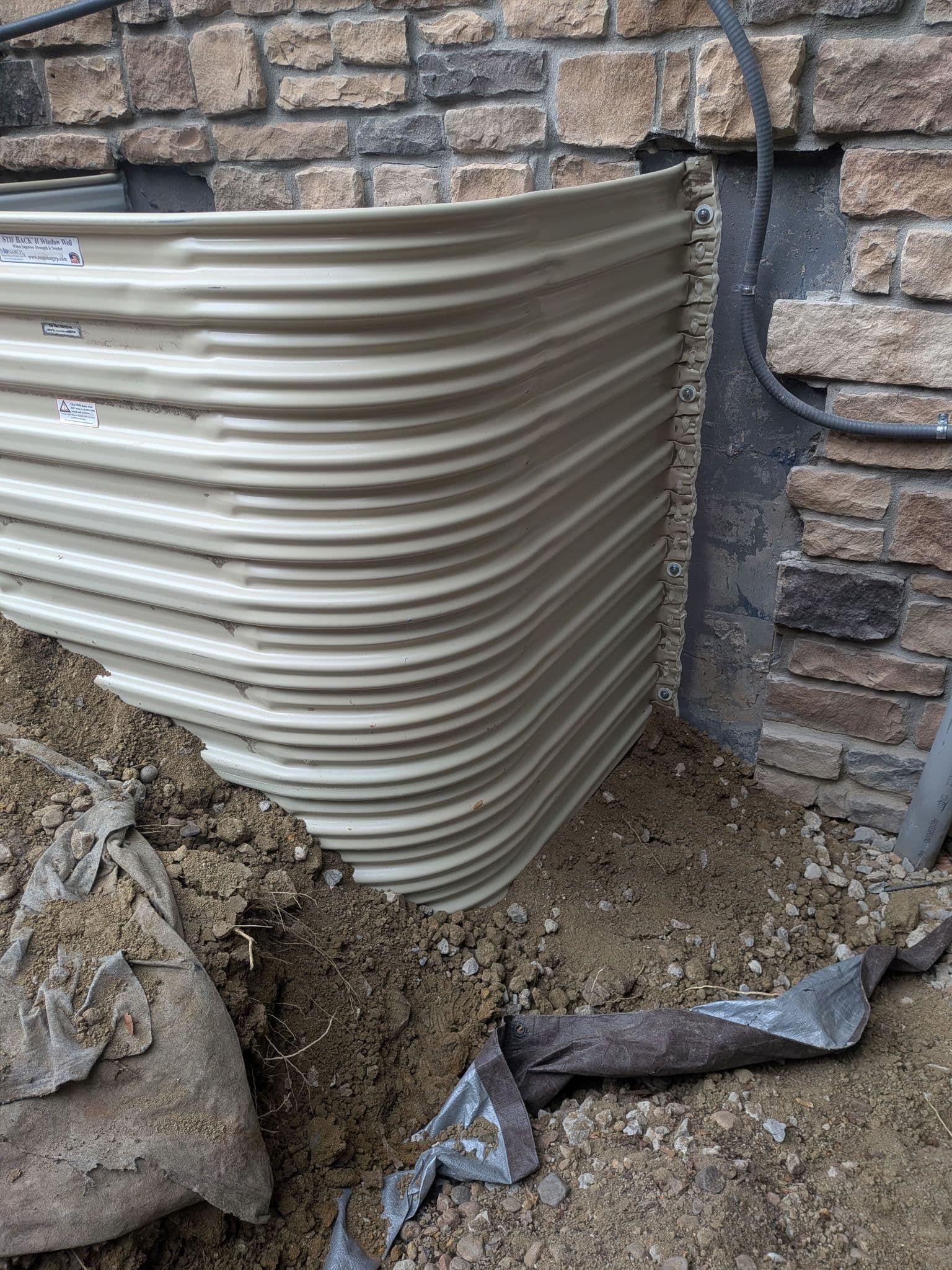
Most homeowners don't think about their window wells until something goes wrong - water pooling against the foundation, rust flaking off the old metal, or a well that's packed so full of debris it's basically useless. That's usually the point where we get the call. And honestly, that's fine. We'd rather fix it right than have you dealing with a wet basement or worse.
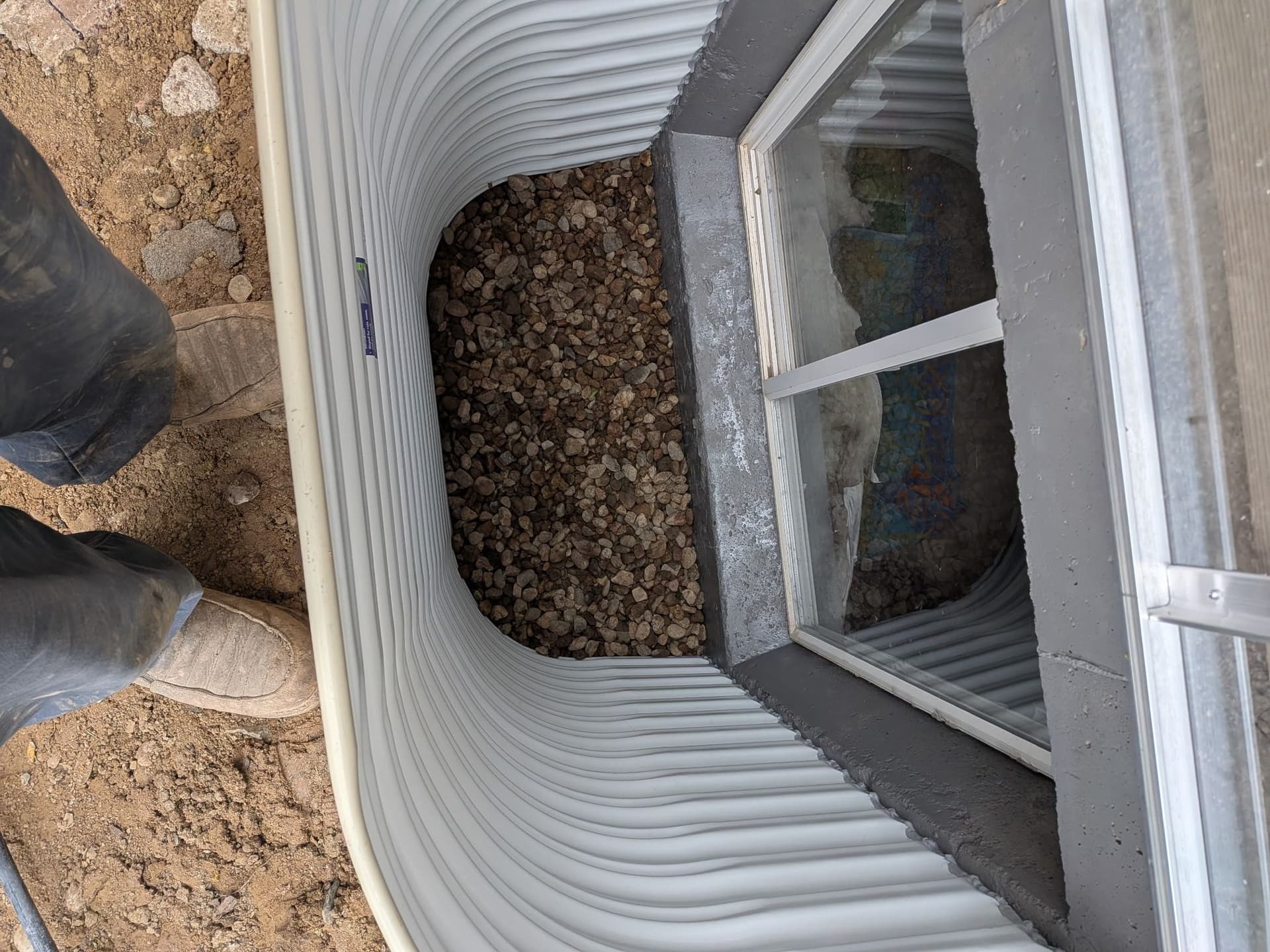
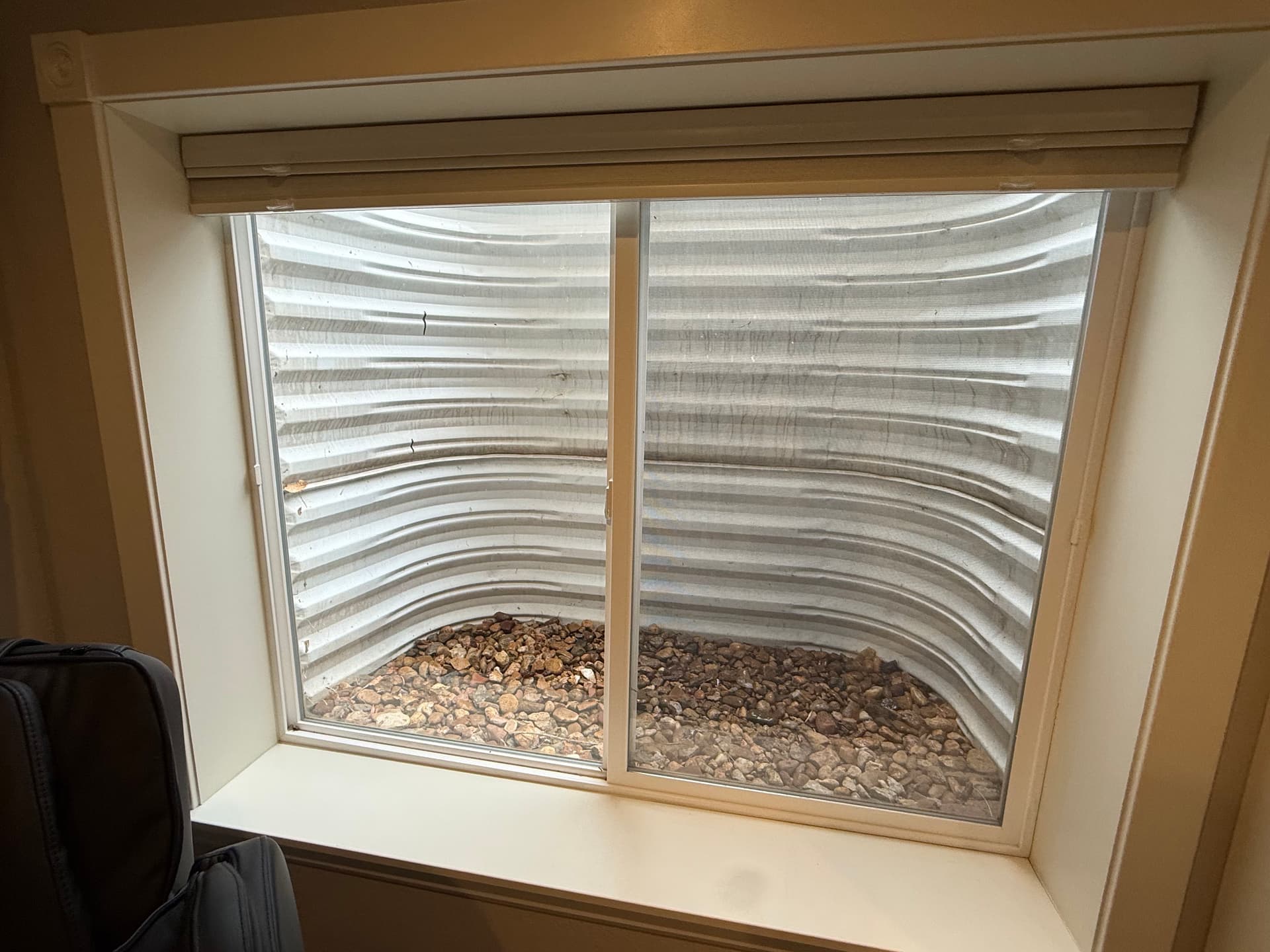
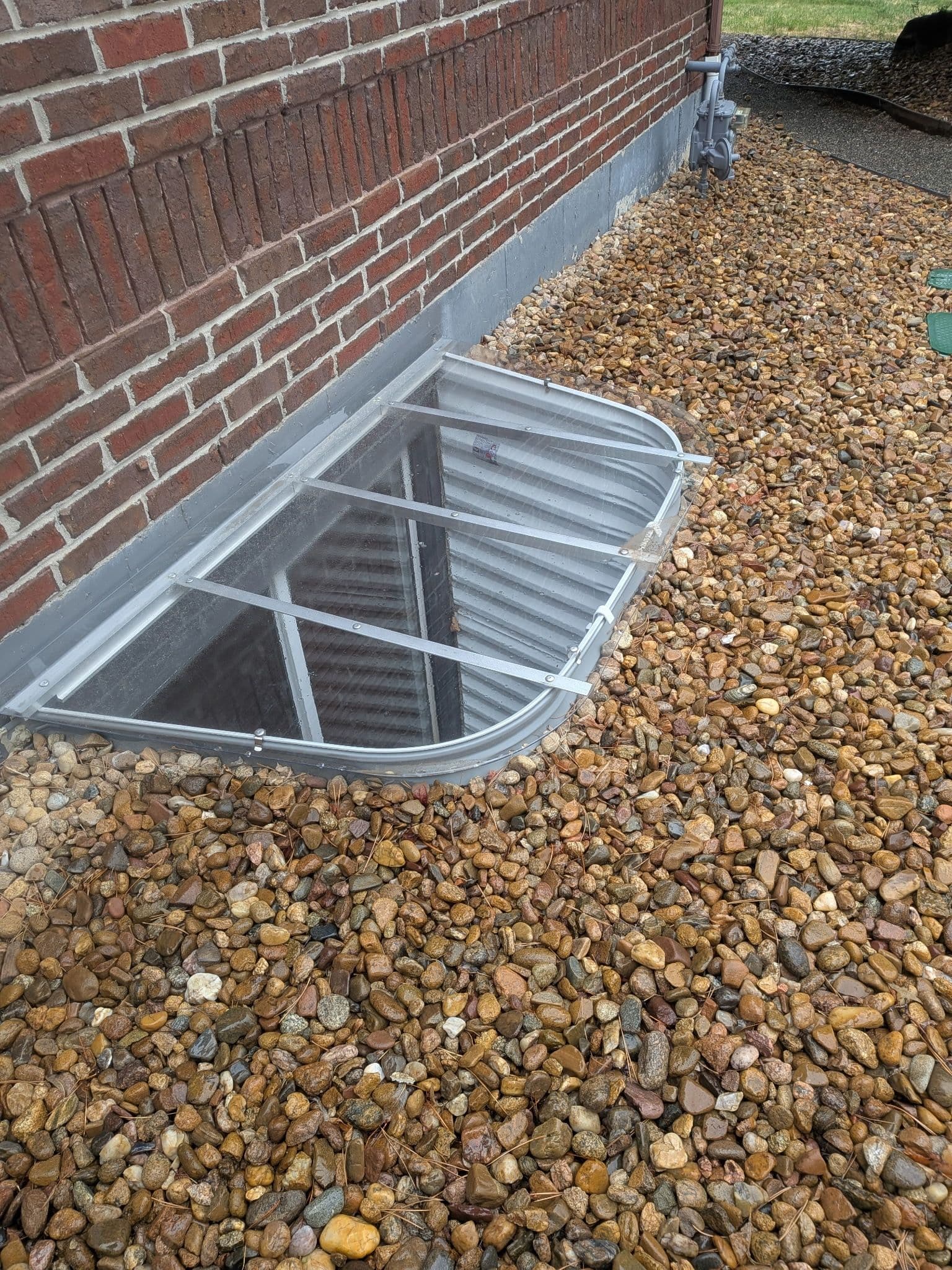
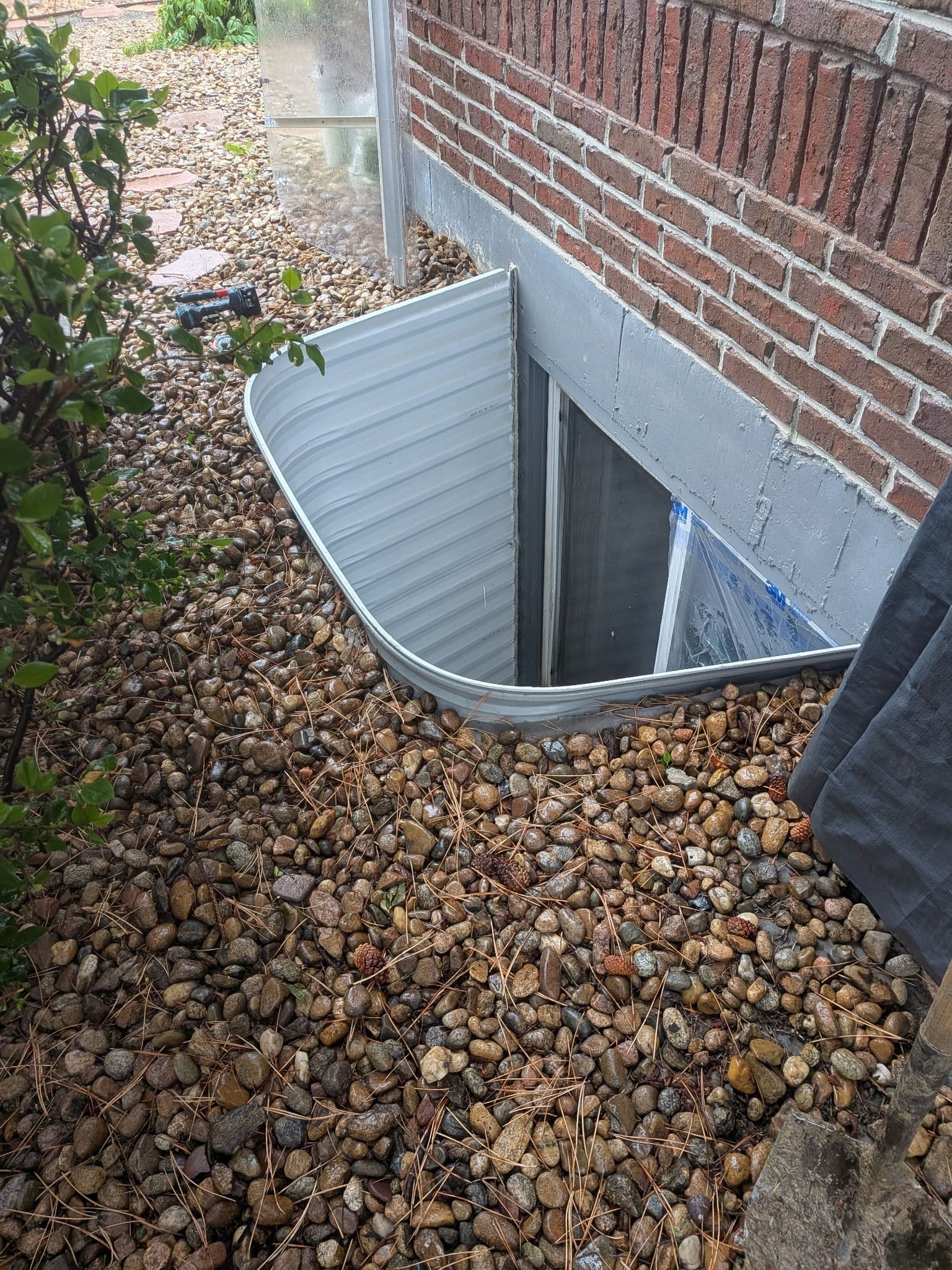
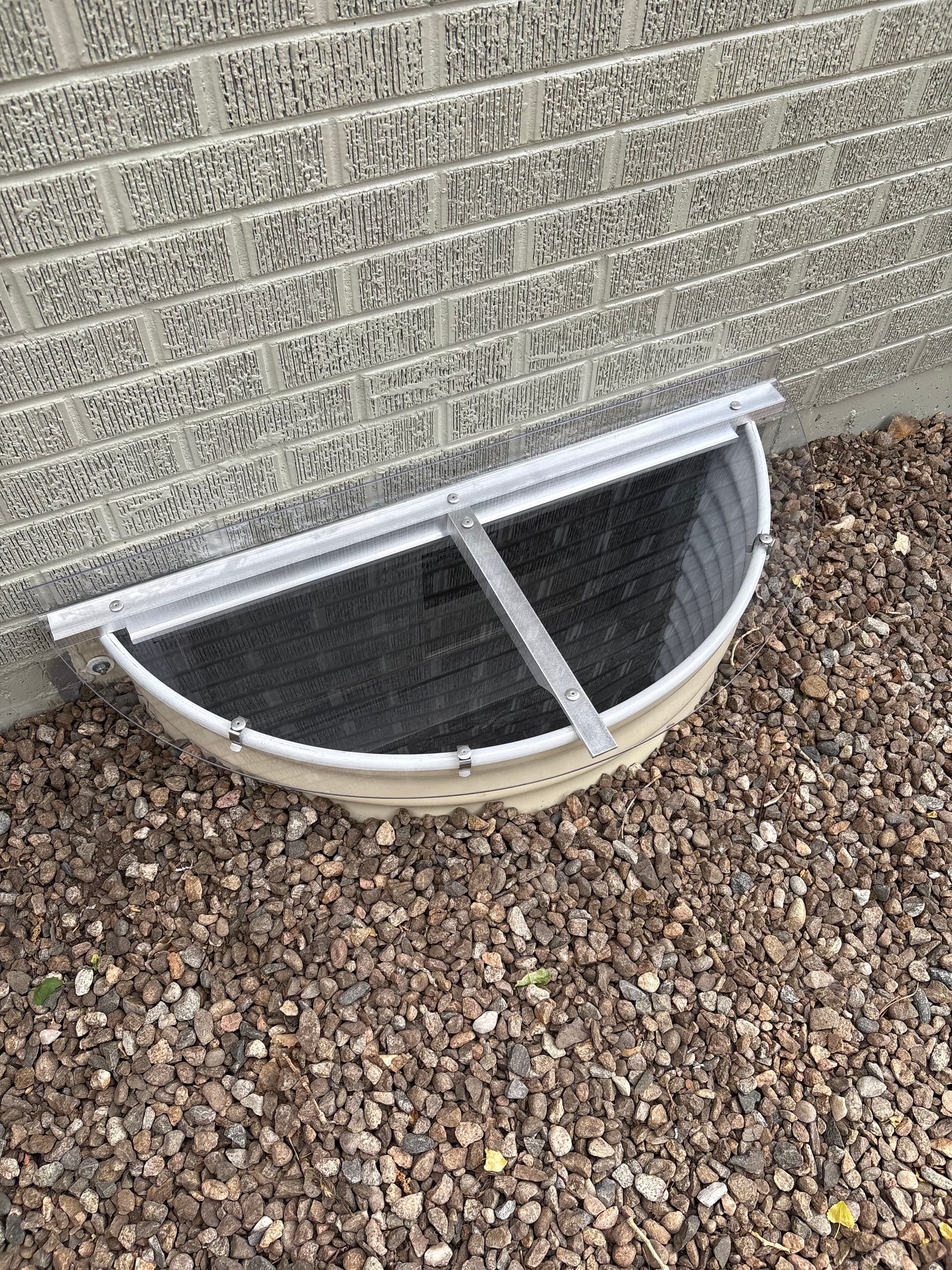
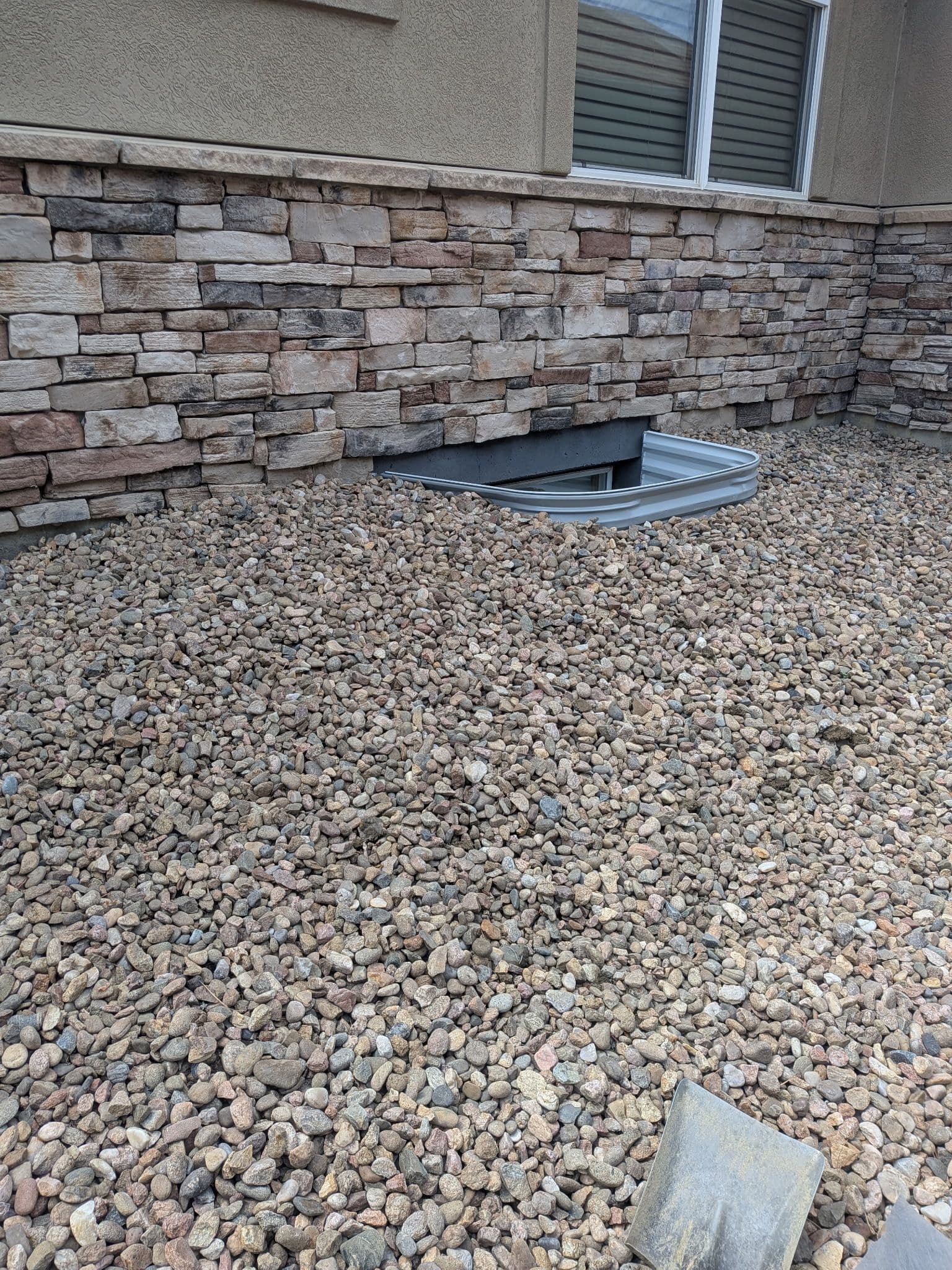
What we did across these jobs covers the full range of what proper window well work looks like. New wells fitted tight to the foundation, sealed edges, fresh drainage gravel packed in underneath - the kind of base layer that actually moves water away from your home instead of letting it sit. We also installed window well covers on several of these, which keeps the debris out and reduces how often you're dealing with maintenance.
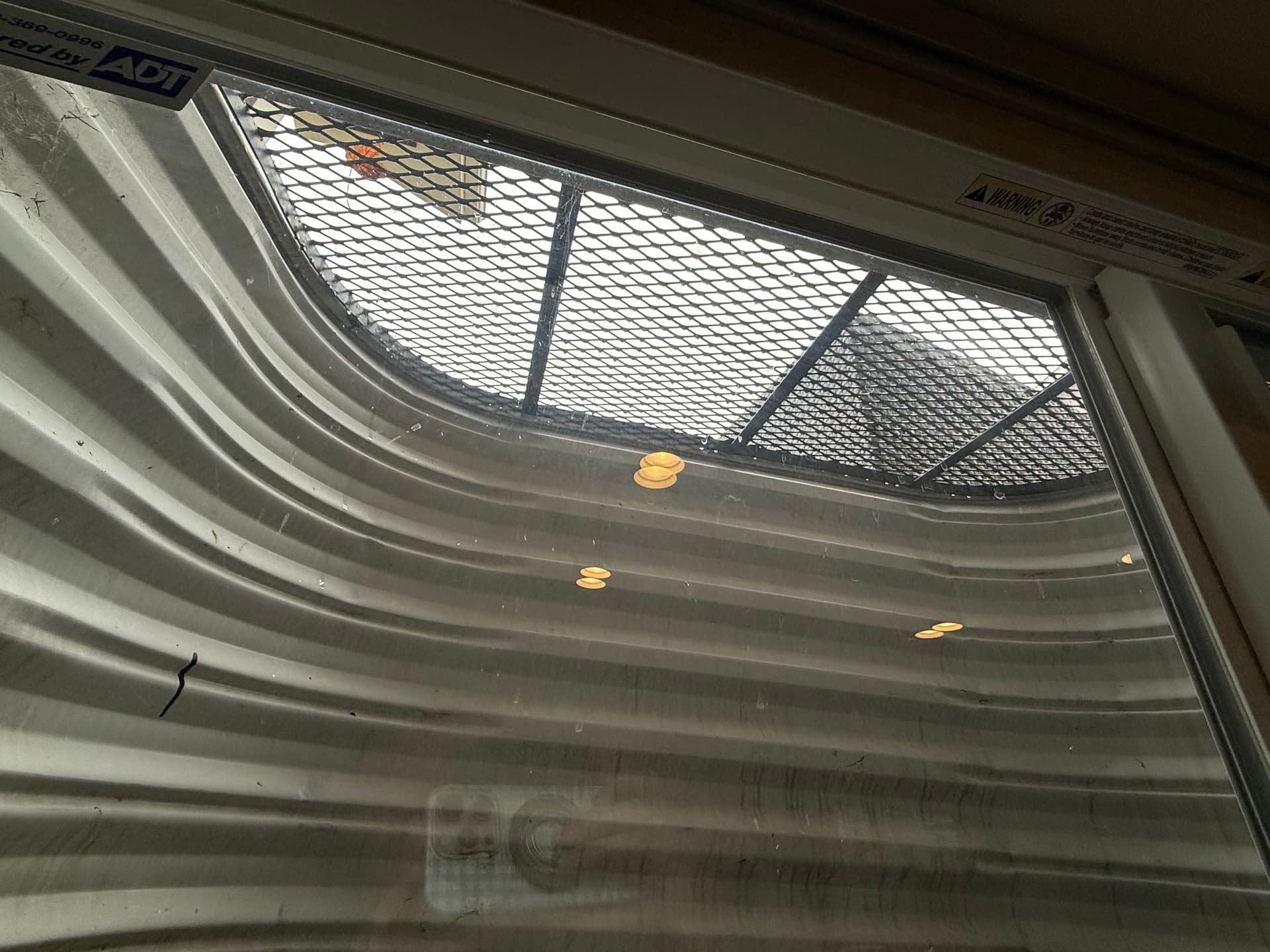
The covers we use aren't flimsy plastic. They're framed, fitted, and secured - you can see the difference between a cover that just lays on top and one that's actually anchored in place. Same goes for the wells themselves. A properly seated well with good gravel drainage is doing real work every time it rains. It's not just cosmetic.
One thing we pay close attention to is the seal between the well and the foundation wall. That's where a lot of installs fail over time - the well shifts, gaps open up, and water finds its way in. We take that seriously on every job, whether it's a standard-depth well or a larger egress-sized unit. The fit has to be solid.
If your current window wells are showing rust, pulling away from the wall, or just look like they've been there since the house was built - that's worth having someone look at. A free inspection doesn't cost you anything, and knowing what you're working with before the heavy rains hit is always the smarter move.