Warning Signs Your Window Well Is Failing Before It Leaks
Most homeowners don't think about their window wells until water shows up in the basement. By then, the damage is already done. The truth is, the warning signs show up long before any water does - you just have to know what to look for.
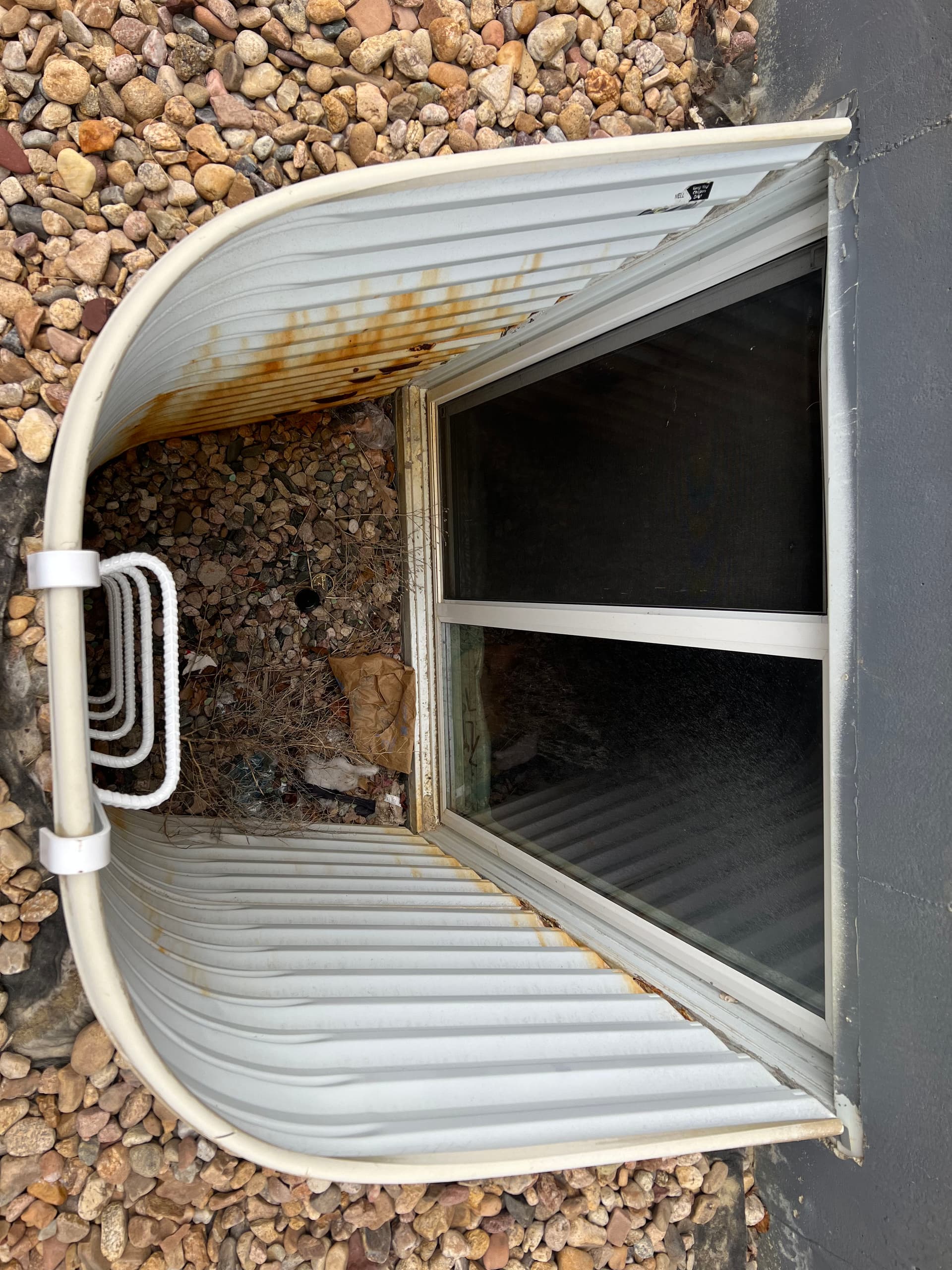
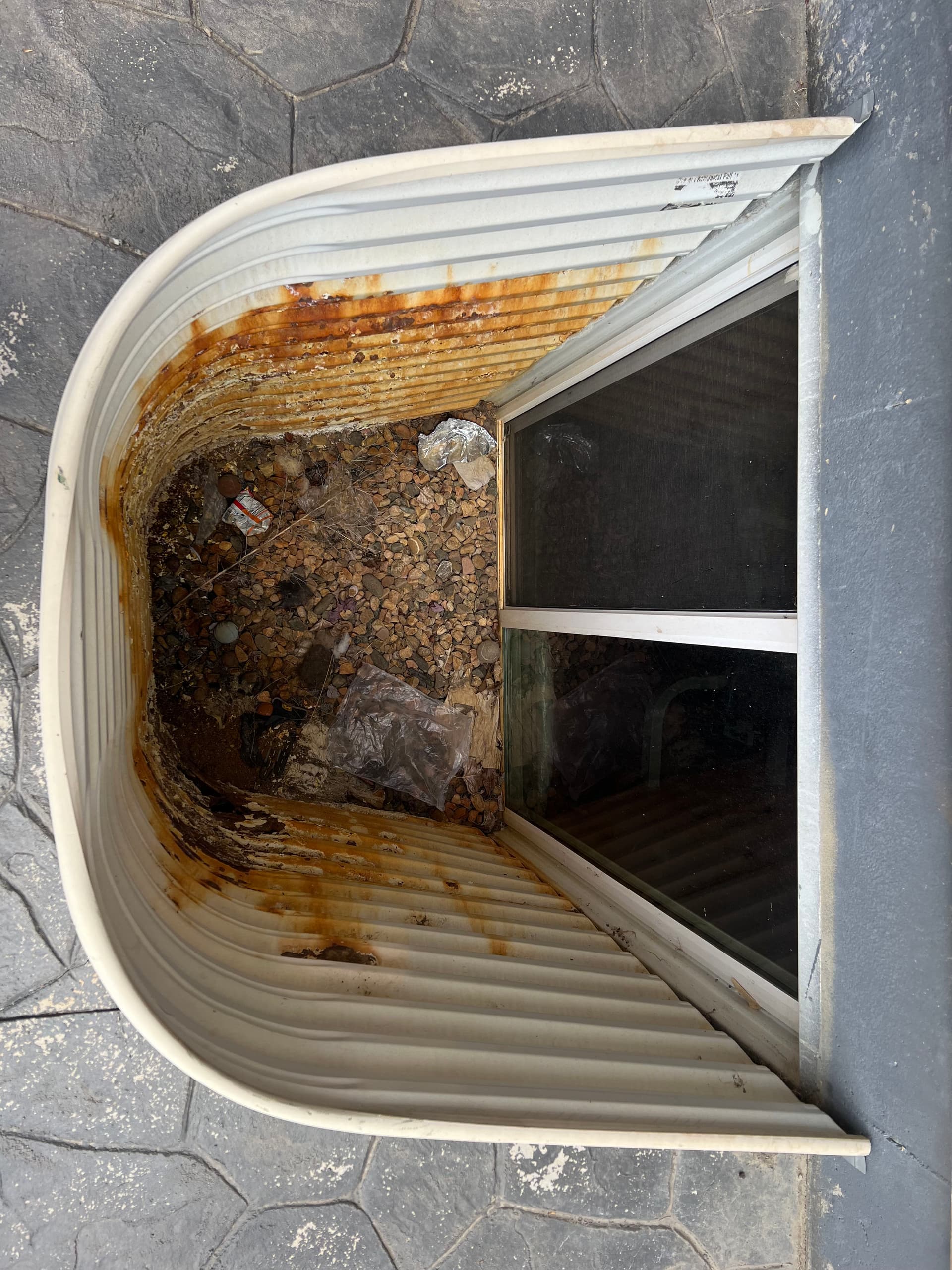
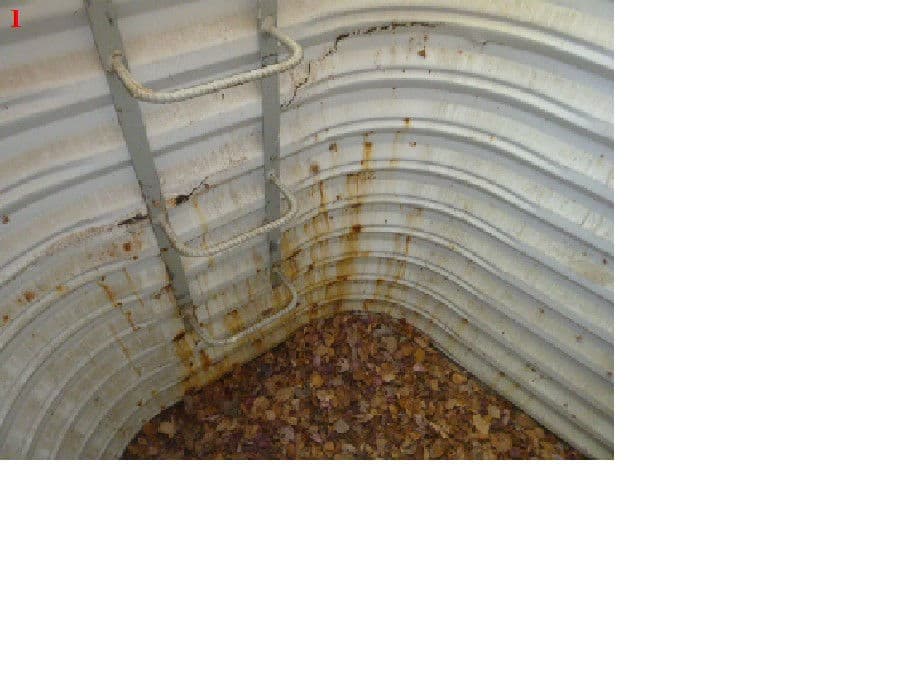
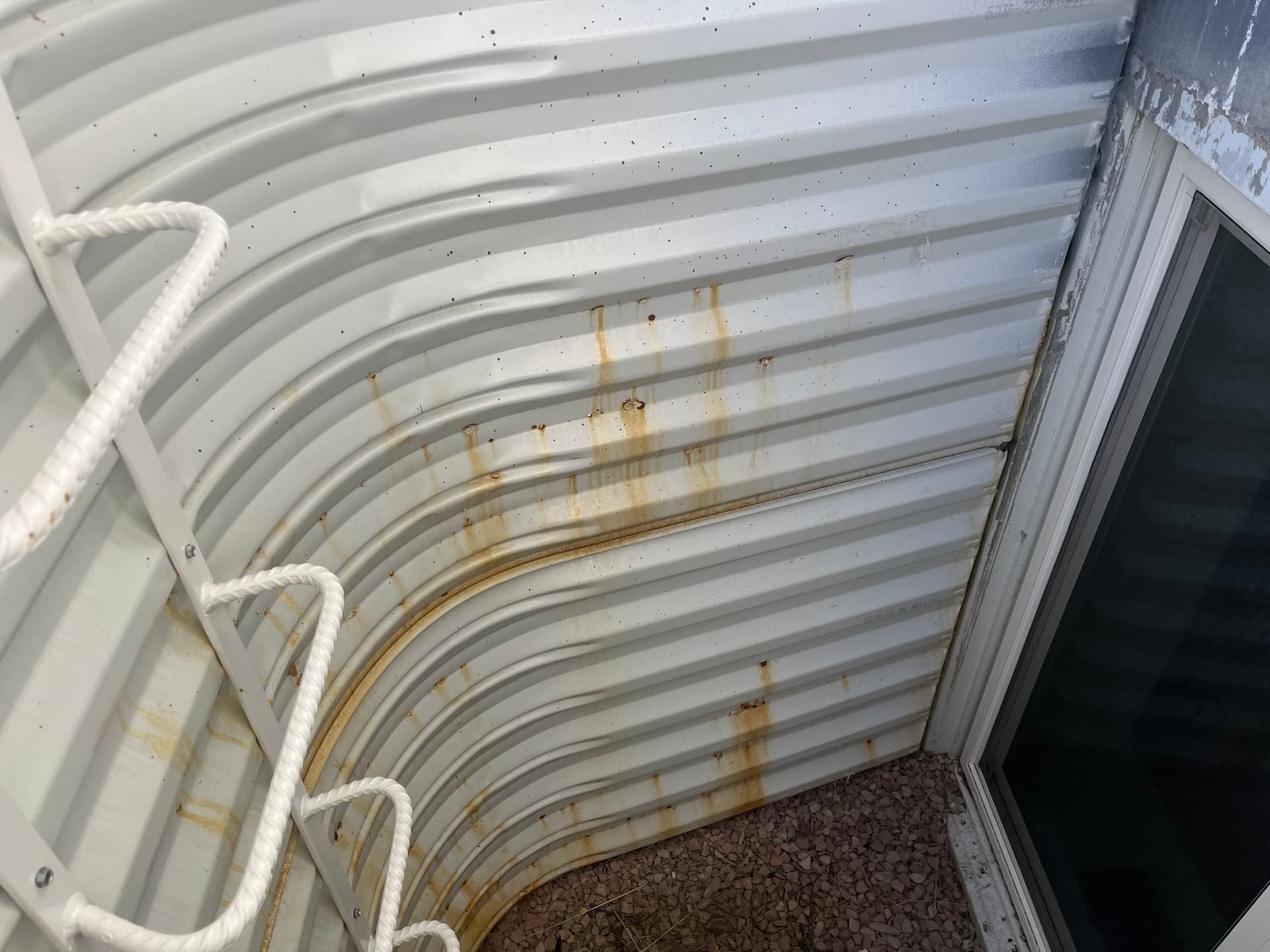
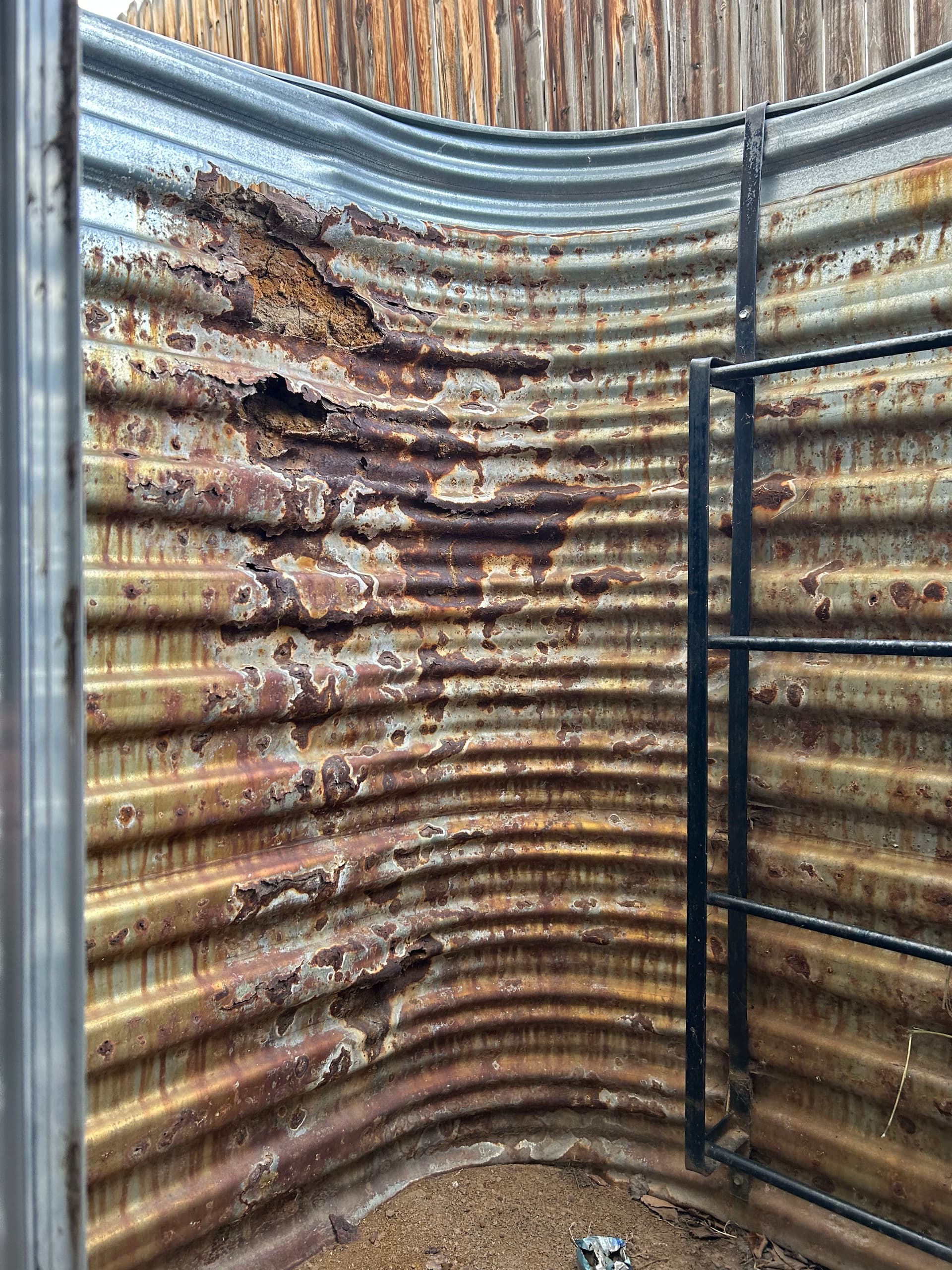
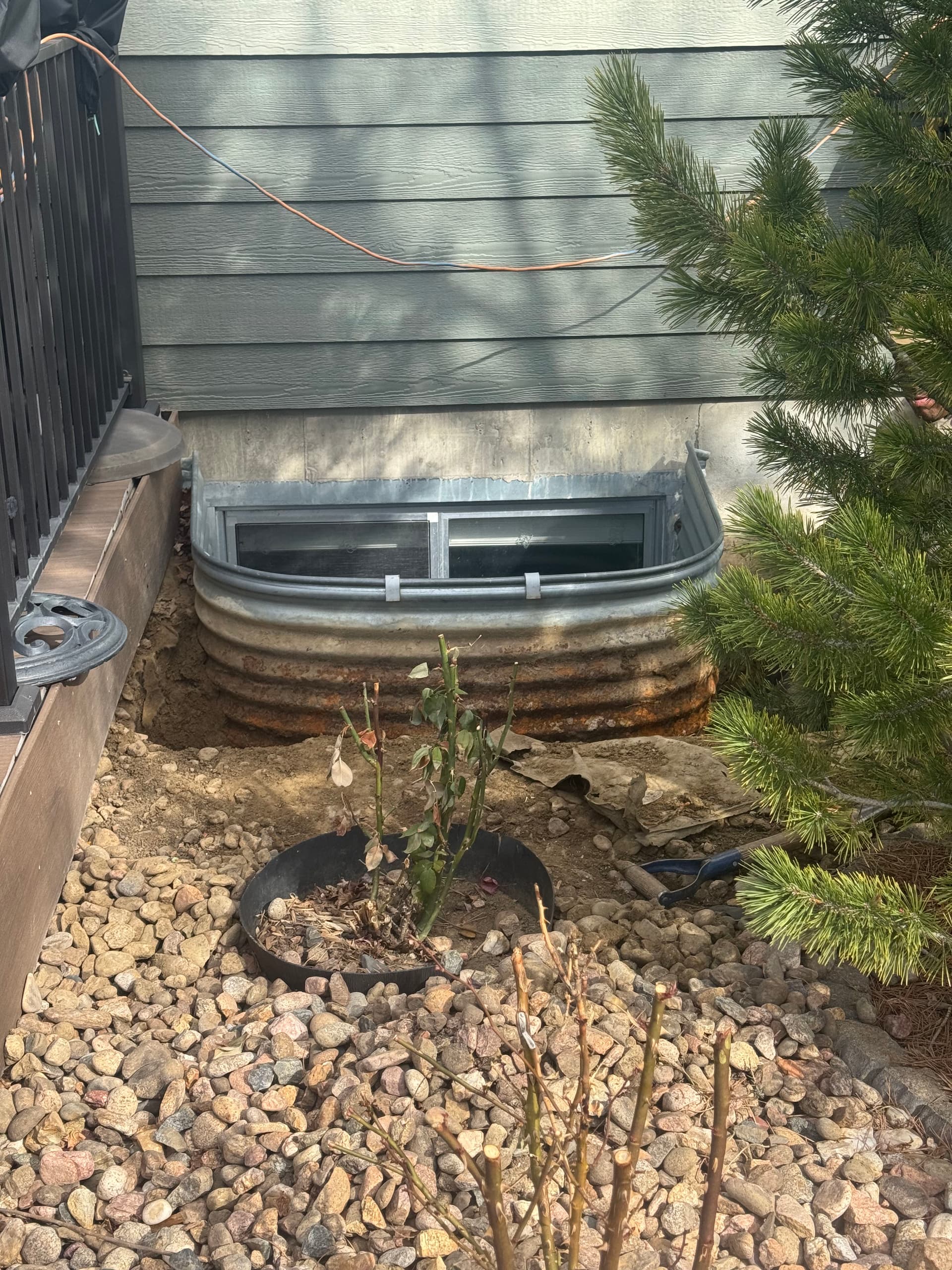
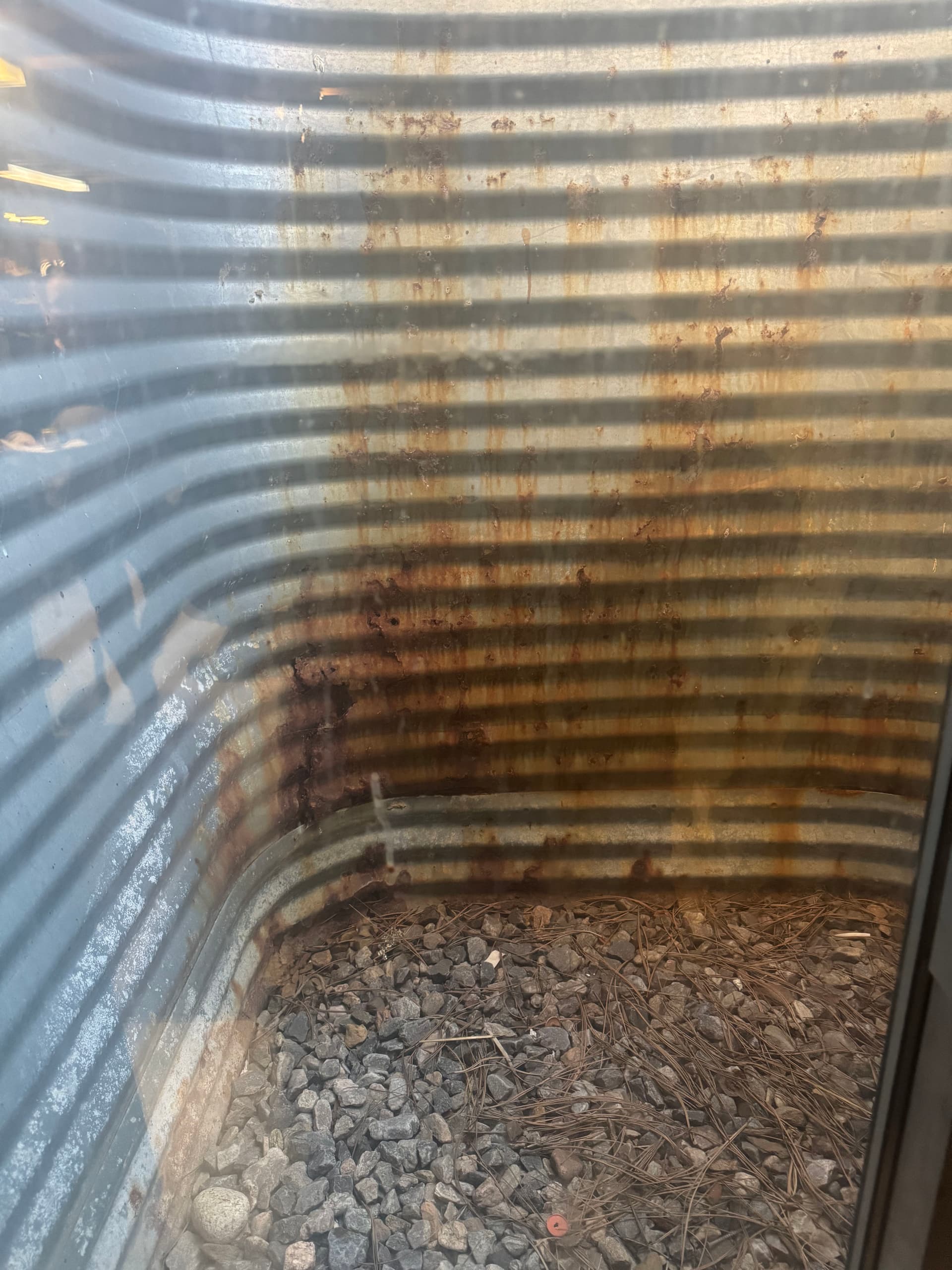
Rust streaking down the corrugated steel is one of the first things we check. Surface rust looks cosmetic, but when it starts eating through the metal - pitting, flaking, and eventually punching holes through the wall of the well - that well is no longer doing its job. It stops being a barrier and starts becoming a funnel. We've seen wells so far gone that soil was visible pushing through the gaps in the steel.
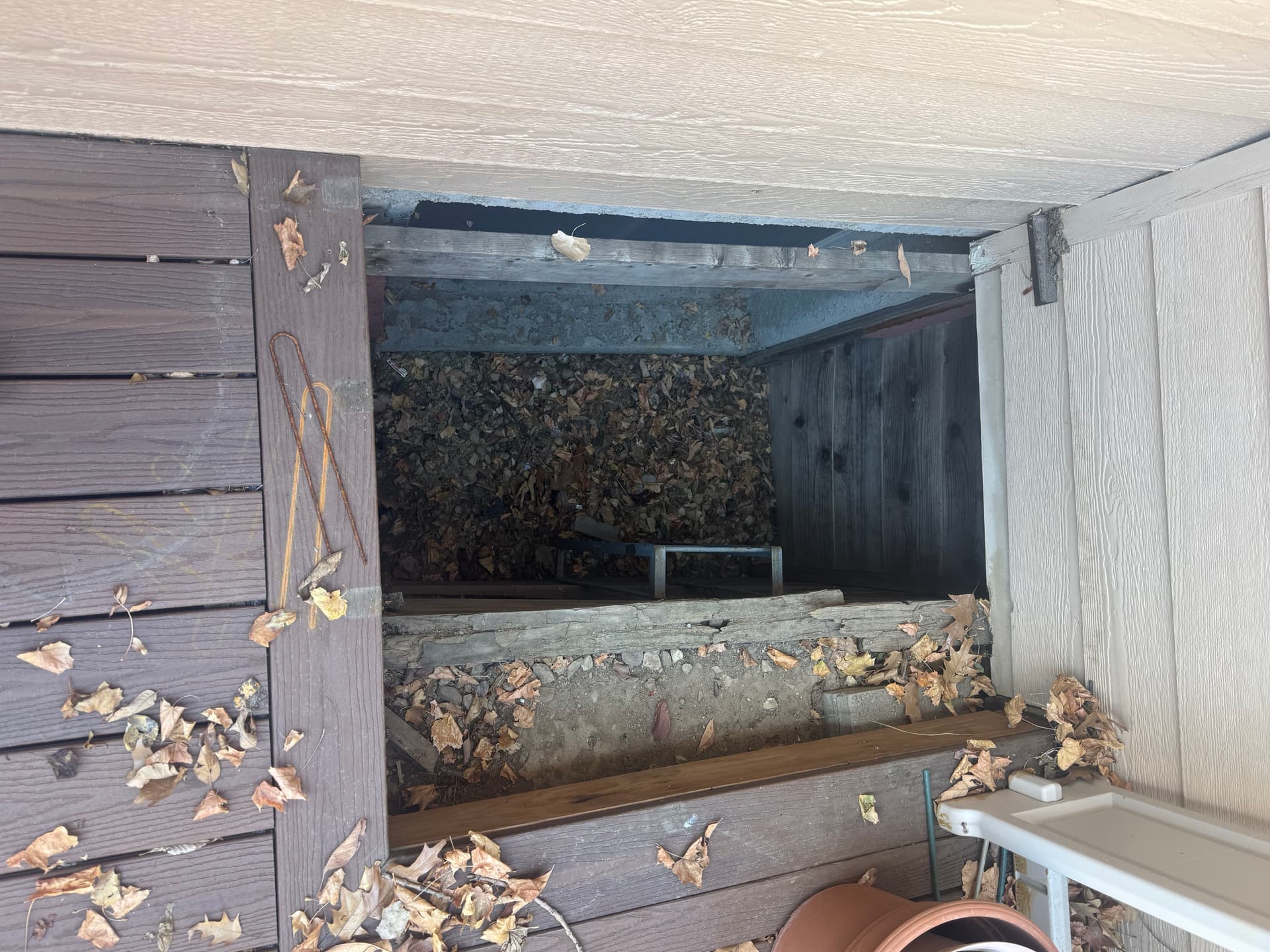
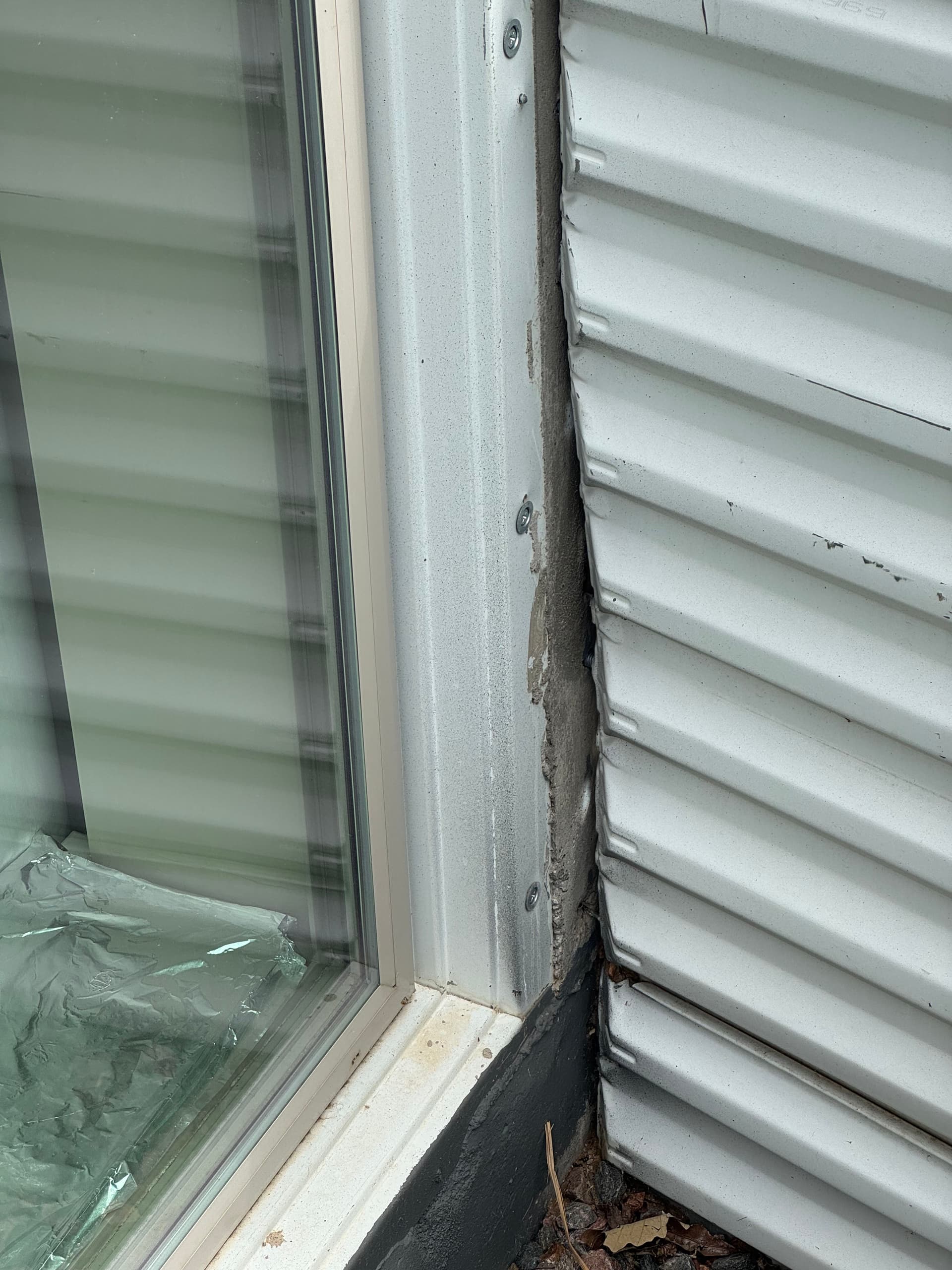
The other thing we see constantly is the well pulling away from the foundation. That gap between the flange and the wall doesn't stay small. Water finds it, works its way behind the well, and follows the foundation straight down. Failed caulking along the window frame is the same story. It cracks, it shrinks, and it opens up a direct path for moisture. One well we looked at had plastic debris and decomposed leaves packed tight against the window frame - that kind of buildup holds moisture against the glass and the seal for months at a time.
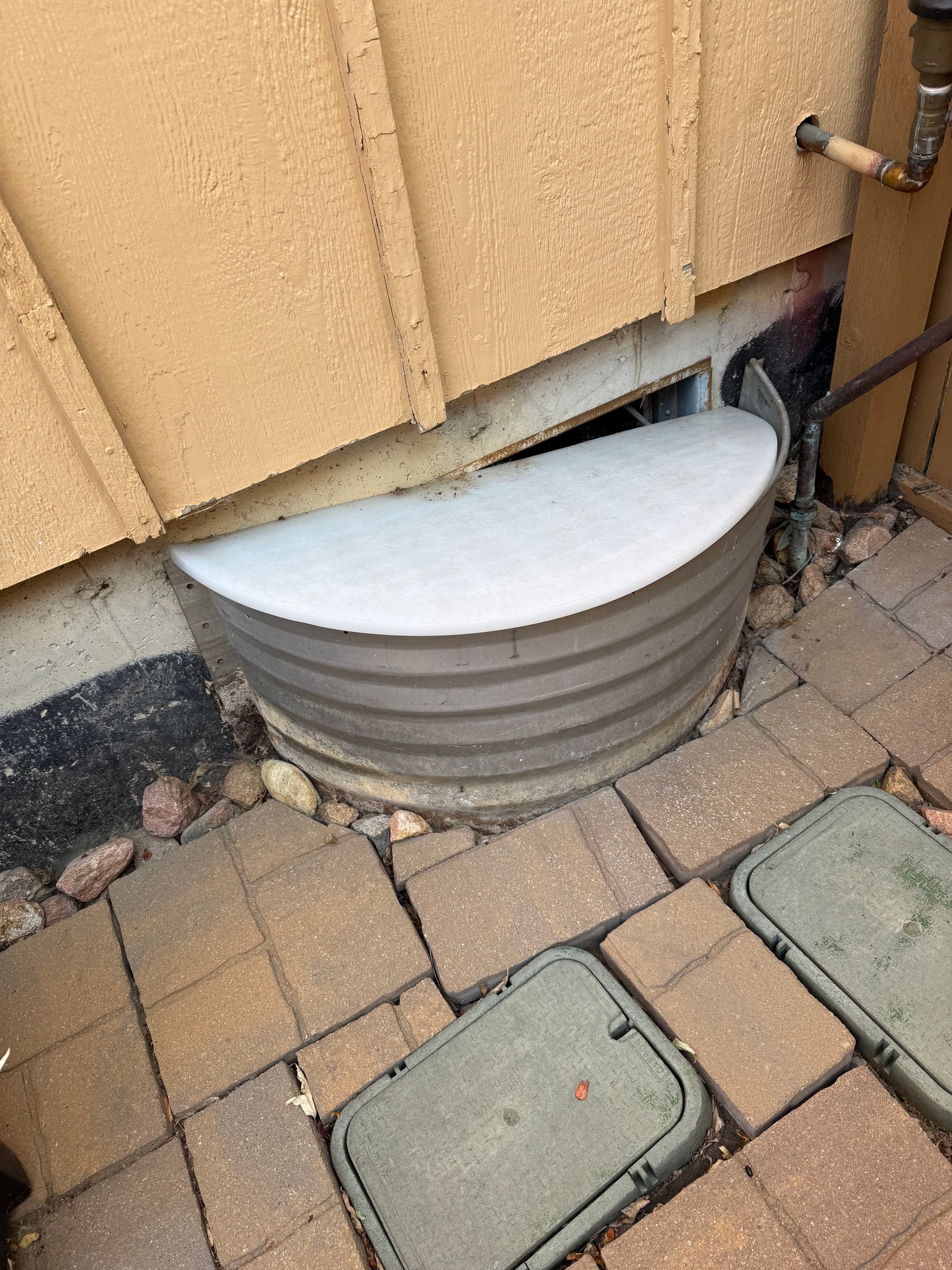
We also pay attention to wells that have no cover at all, or covers that have been sitting off to the side. A well without a cover collects everything - leaves, pine needles, trash, standing water. That drainage gravel at the bottom can only handle so much before it gets choked out and water starts backing up against the window. If the dirt grade outside is sitting too high relative to the bottom of the window, that's another red flag we note right away.
Rick does free inspections. No pitch, no pressure - just a second set of eyes on what you've got. If something needs attention, we'll tell you straight. If it's fine, we'll tell you that too. Reach out at 720-309-2277 to get on the schedule.