One-Piece Window Well Installs Done Right - No Seams, No Gaps
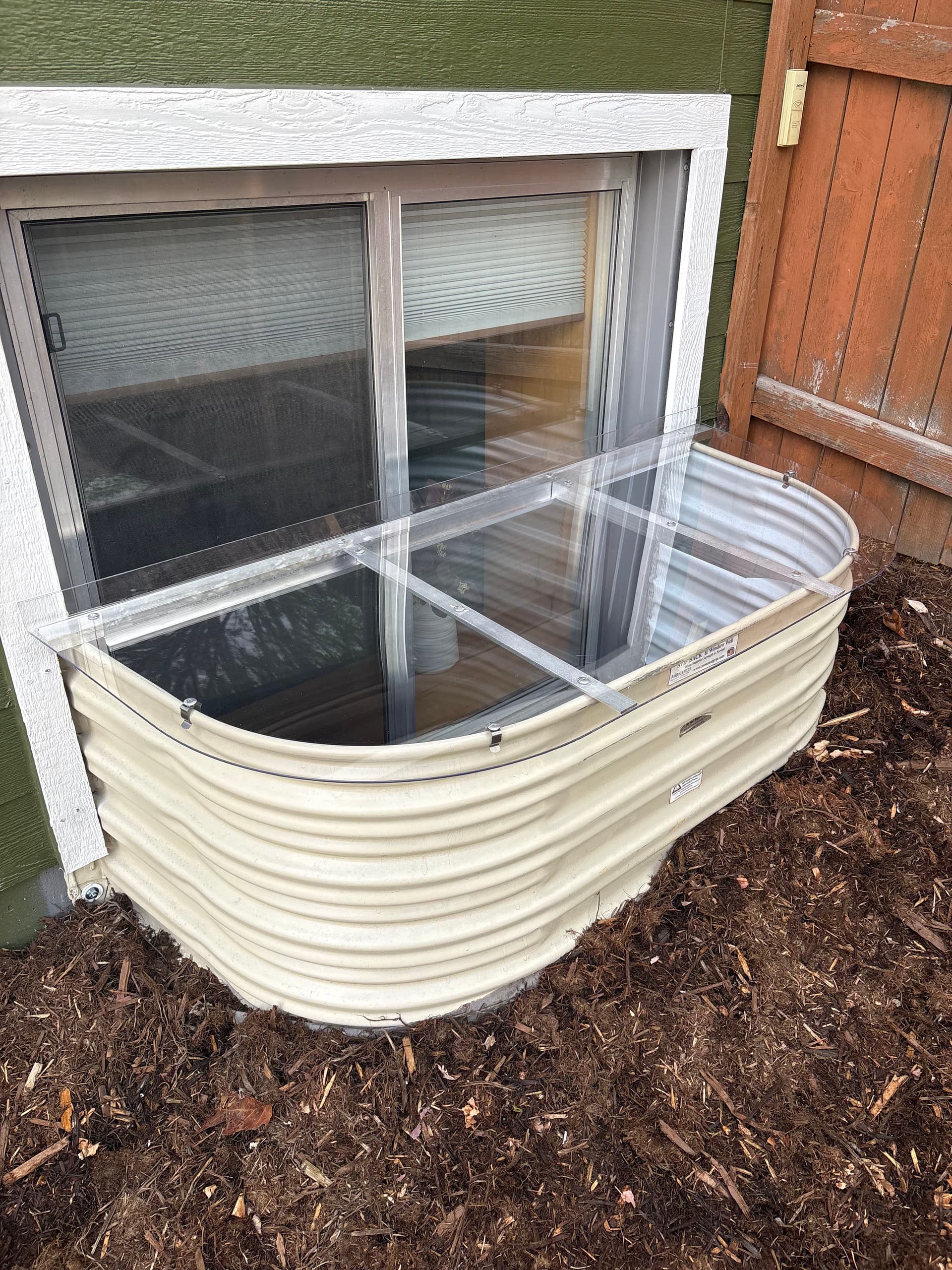
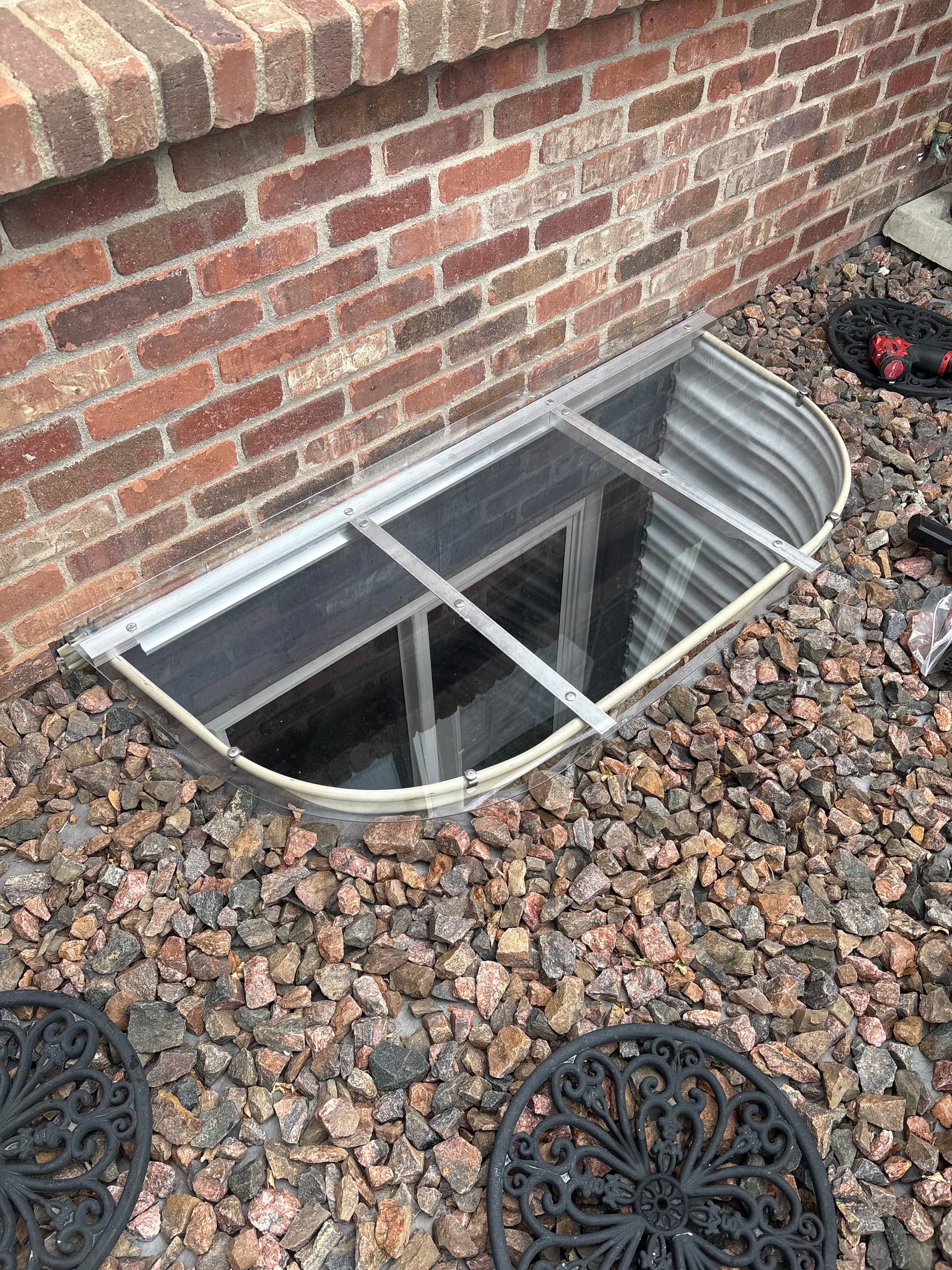
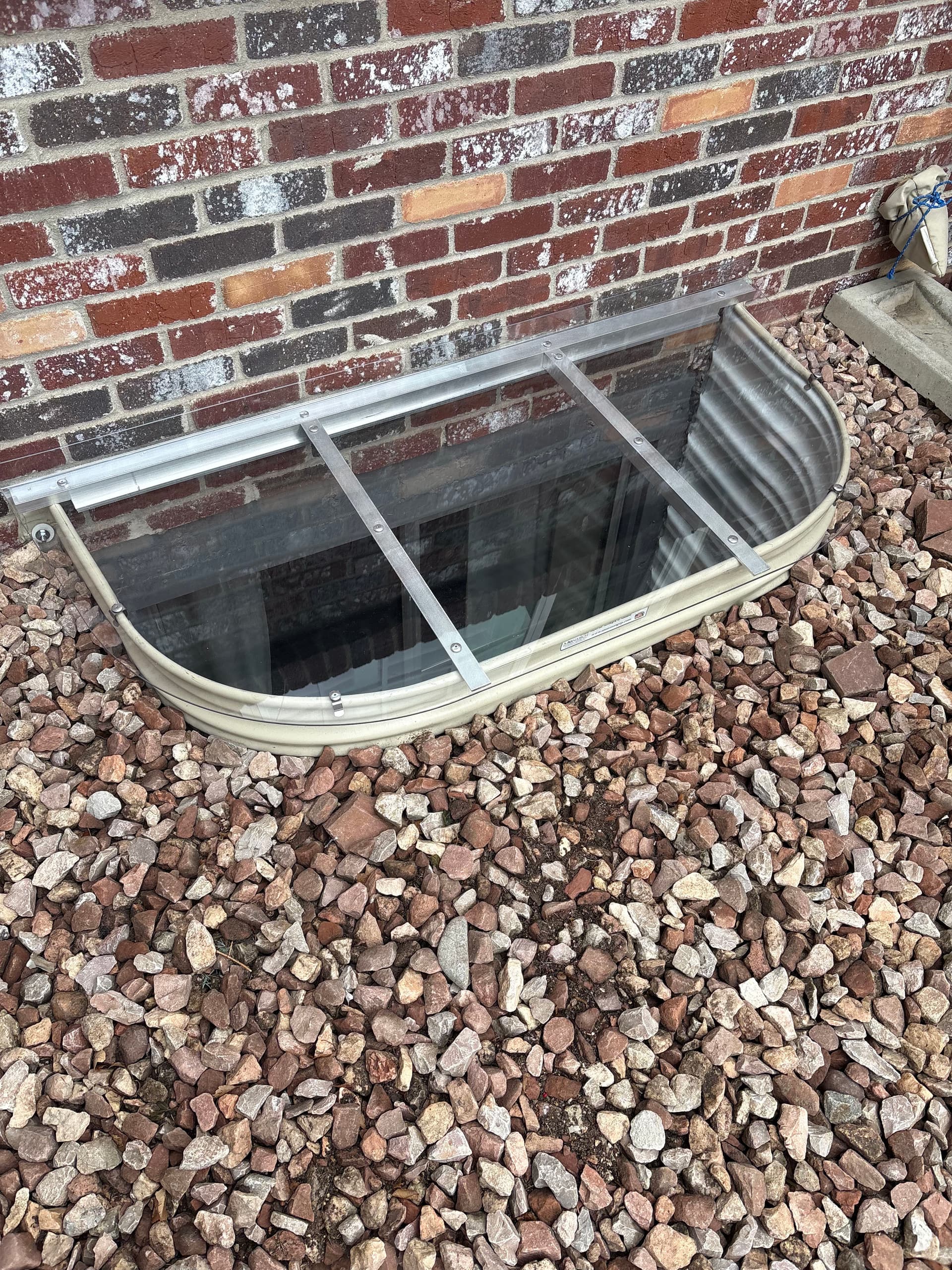
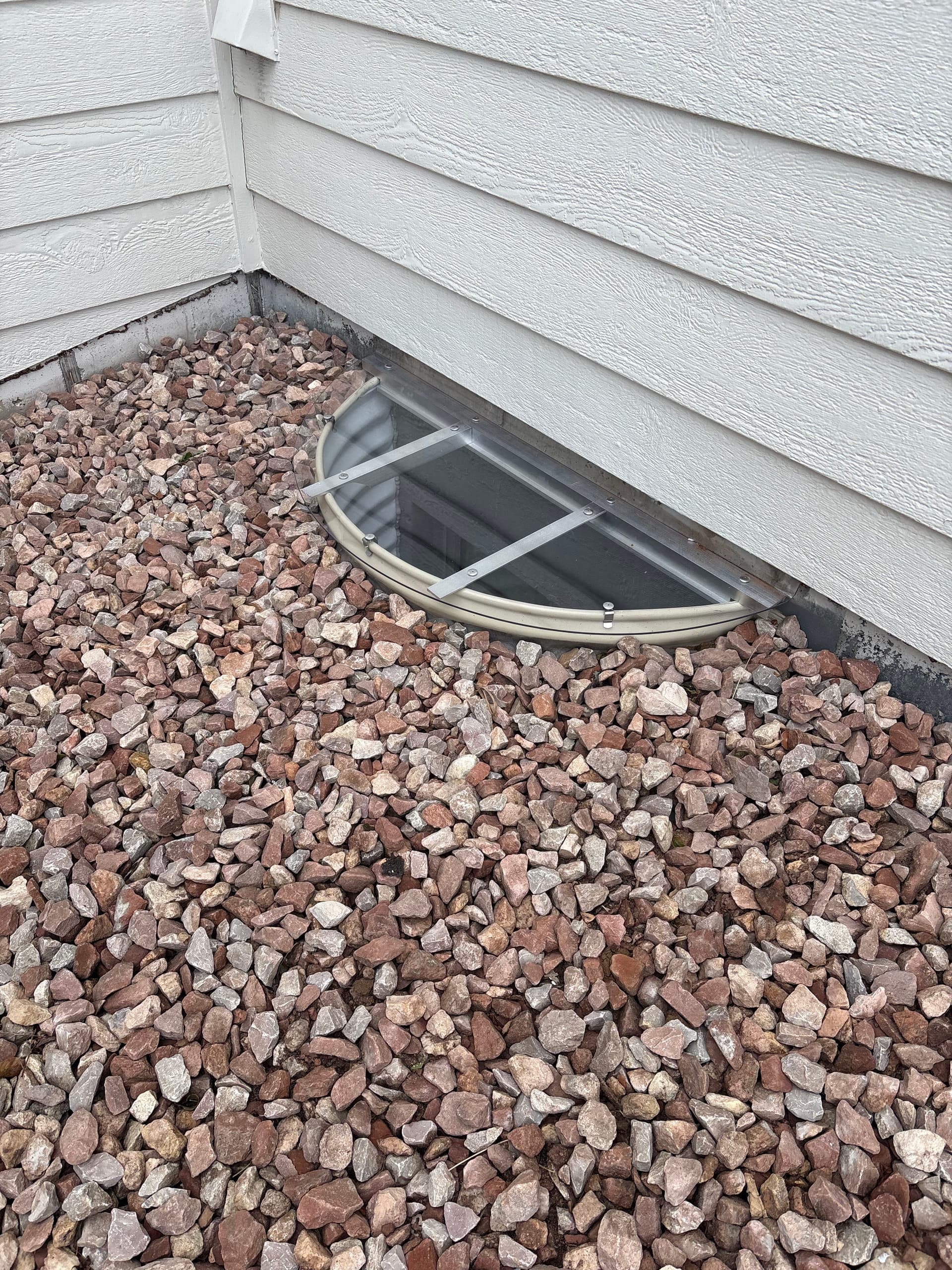

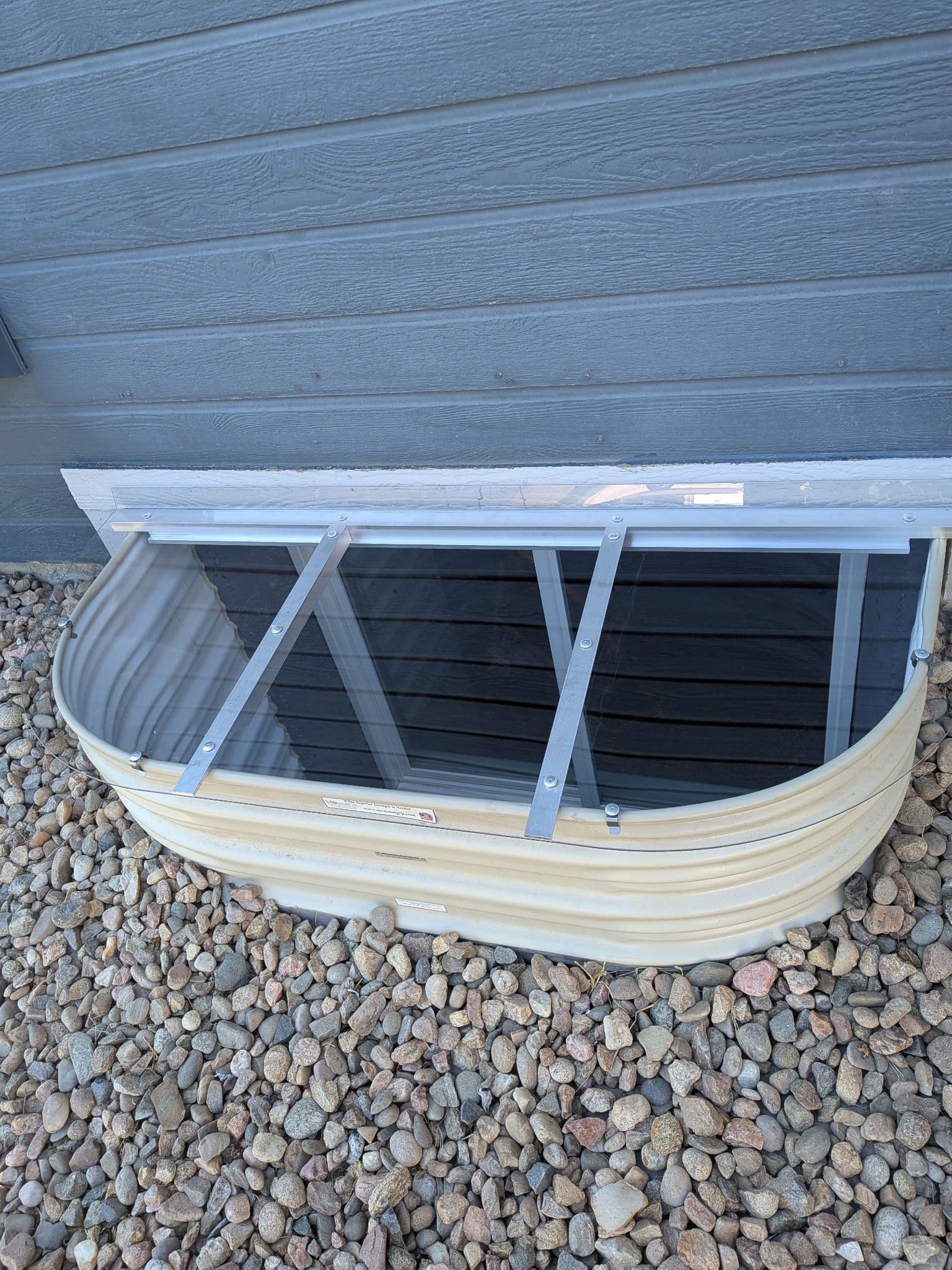
Most window well problems we see come down to one thing - poor installation. Old wells that were never properly sealed, graded wrong, or put together with multiple pieces that separate over time. Water finds every one of those weak spots. That's exactly why we go with one-piece wells and do the sealing and grading the right way from the start.
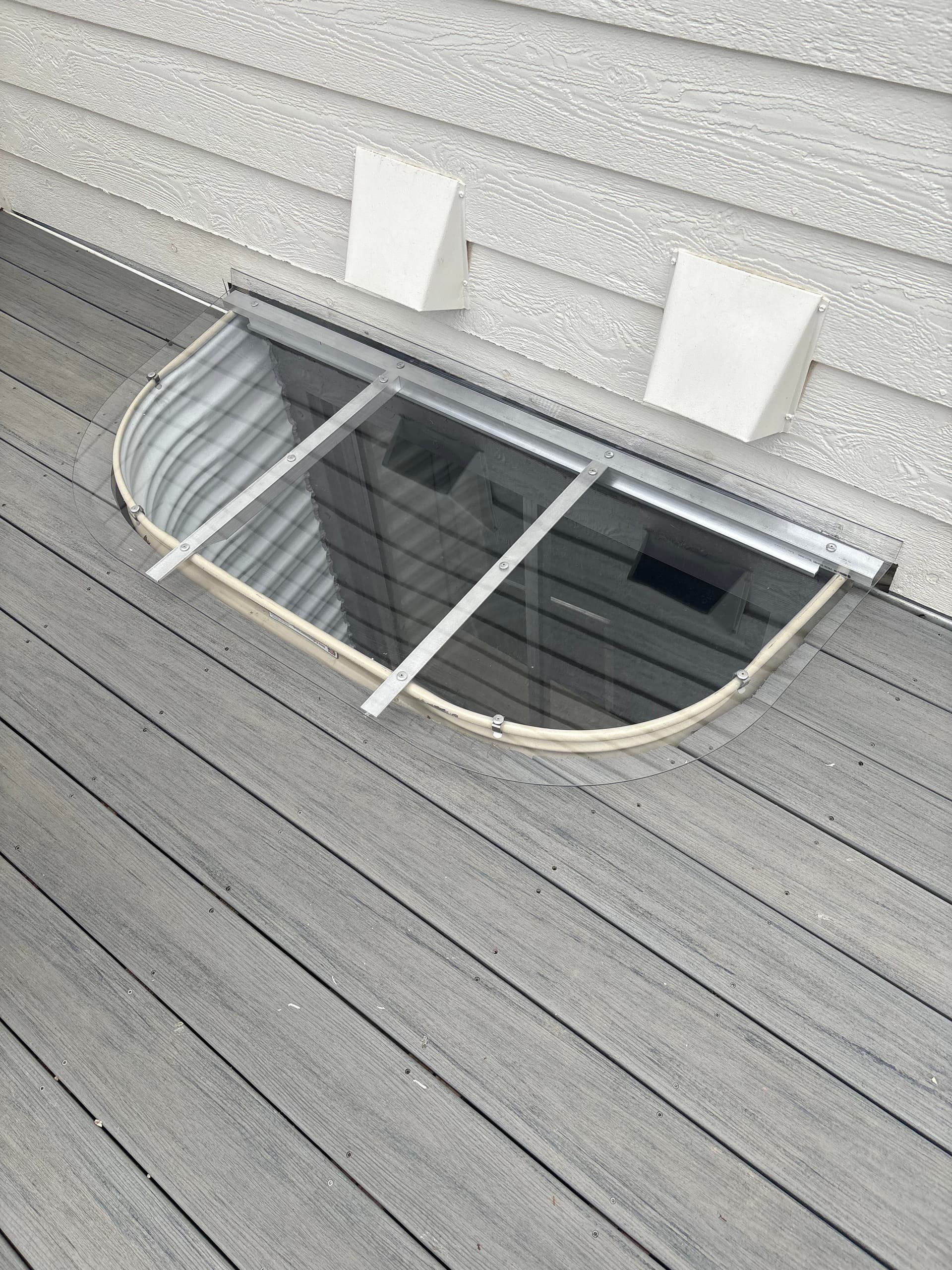
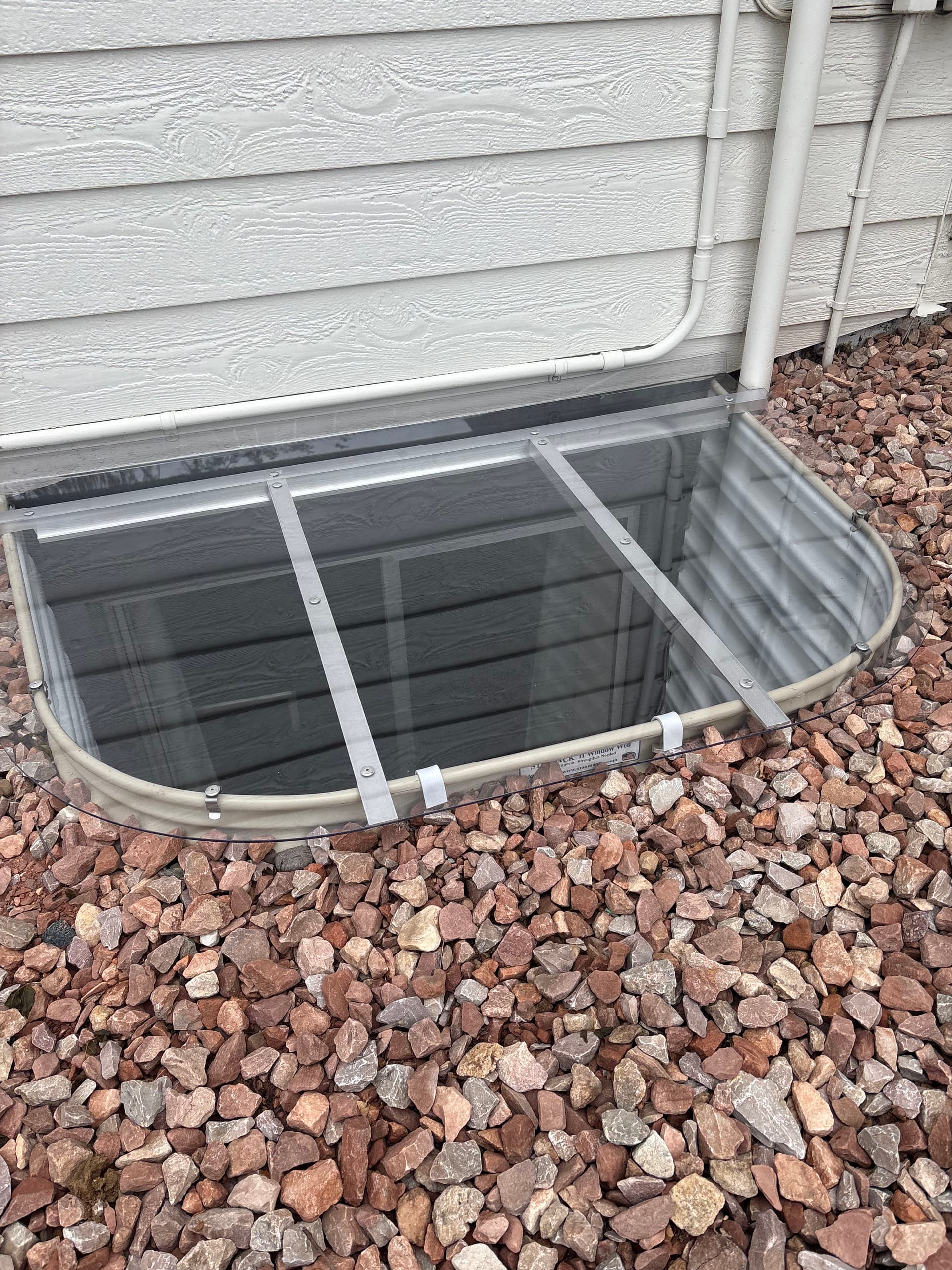
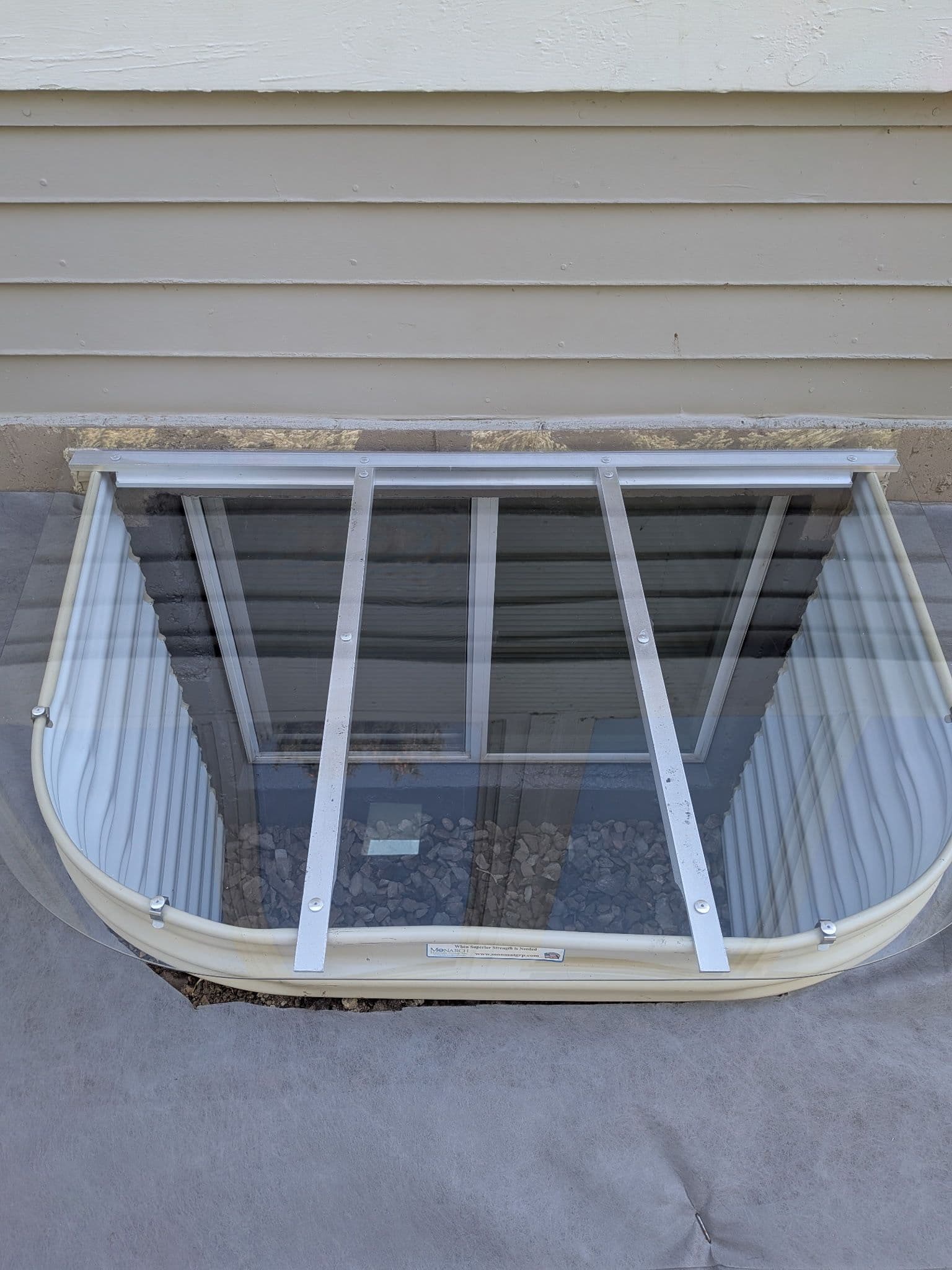
On these jobs, we installed new white and tan one-piece window wells across several homes. No seams means no joints for water to work through. Each well was double sealed and caulked at the foundation, then the surrounding grade was adjusted to push water away from the house. Fresh rock was added to the bottom of each well for drainage. It's a straightforward process, but every step matters.
The polycarbonate covers we put on top are one of our favorite parts of this setup. They're clear, so natural light still gets into the basement. They keep debris, water, and animals out. And they're tough - polycarbonate holds up to serious abuse without cracking or yellowing like cheaper plastic covers do over time.
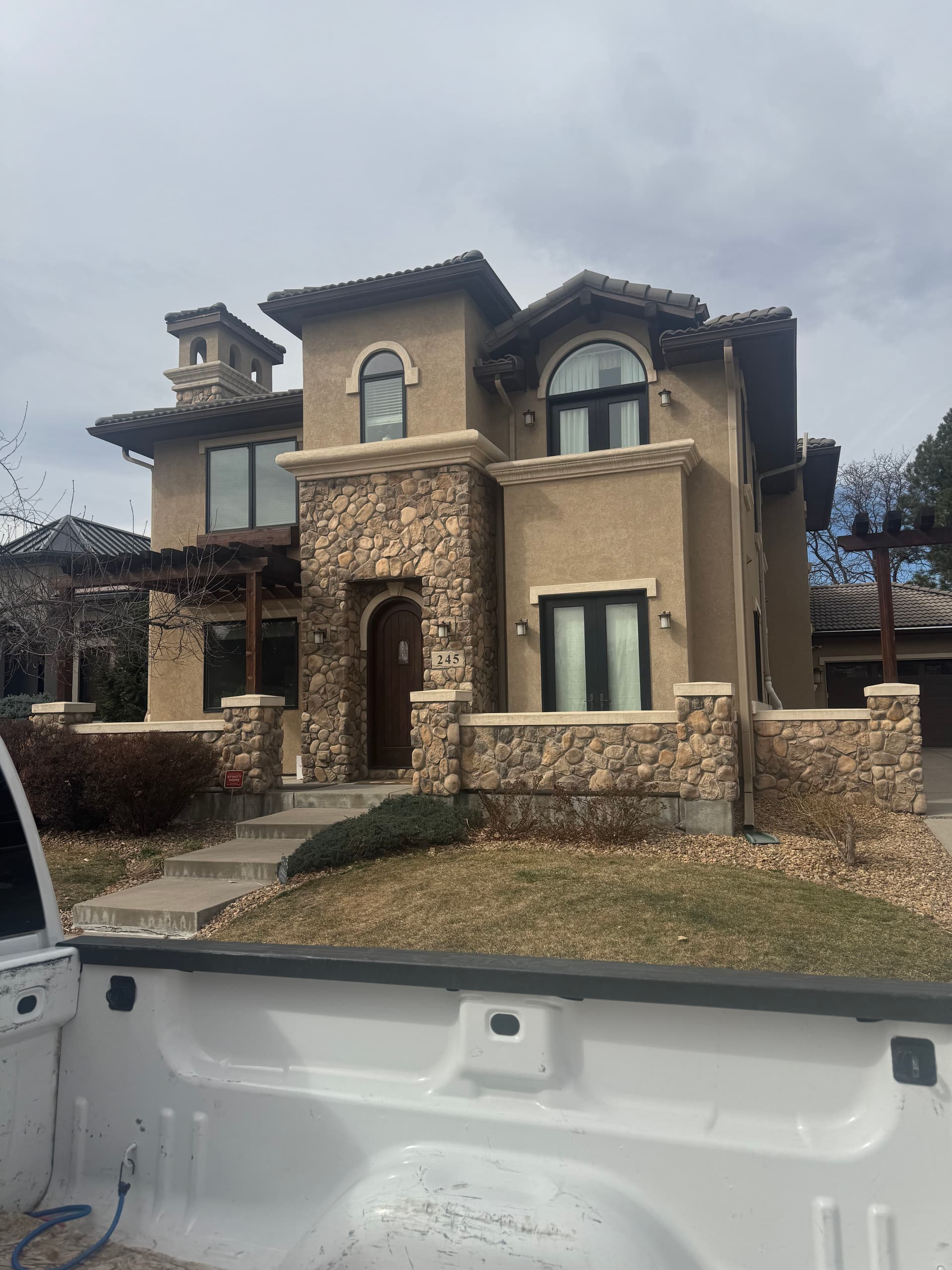
These installs ranged across different home styles and setups - siding, brick, stucco, deck-level installs, tight side-yard situations. The approach stays the same regardless. Fit the well tight to the foundation, seal it properly, grade it right, and cover it so it stays protected. Clean result every time.
Window wells that are installed and maintained correctly just don't cause problems. That's the whole point. Whether it's a new installation or a replacement for something that's been leaking or rusting out, getting the details right at install time is what keeps basements dry long-term.